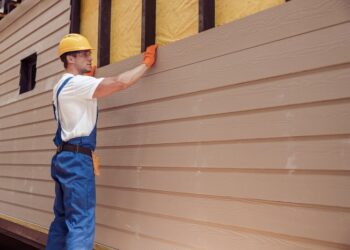
Property maintenance is the cornerstone of ensuring the longevity and value of buildings. Neglecting this crucial aspect can result in costly repairs and decreased property value. In this comprehensive guide, we delve into the importance, types, best practices, and common challenges of property maintenance.
Importance of Property Maintenance
Property maintenance plays a crucial role in ensuring the longevity and structural integrity of buildings. Neglecting regular maintenance can lead to a cascade of issues that can result in costly repairs and decreased property value.
Prevention of Structural Damage
Regular property maintenance, such as inspecting and repairing roofing, plumbing, and electrical systems, can help prevent structural damage caused by leaks, mold, or faulty wiring. Addressing these issues early can save property owners from expensive repairs down the line.
Enhancement of Curb Appeal
By maintaining the exterior of a property through regular painting, landscaping, and cleaning, property owners can enhance its curb appeal. A well-maintained property not only attracts potential buyers or tenants but also increases property value.
Avoiding Health Hazards
Regular maintenance can also help in identifying and addressing potential health hazards such as asbestos, lead paint, or mold. By conducting routine inspections and maintenance, property owners can ensure a safe and healthy environment for occupants.
Types of Property Maintenance
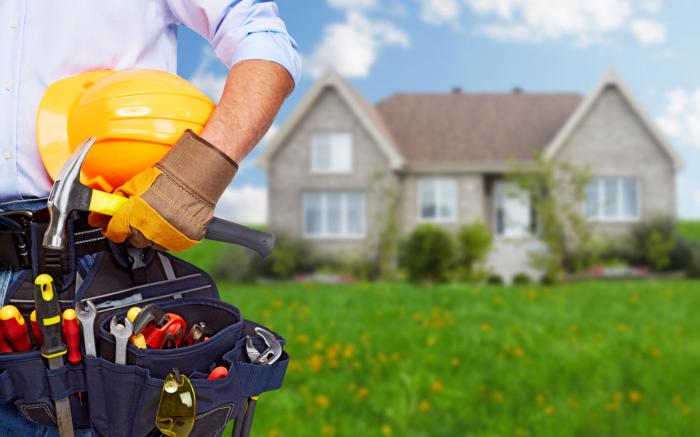
Property maintenance can be categorized into three main types: preventive, corrective, and predictive. Each type serves a unique purpose in ensuring the upkeep and longevity of a property.
Preventive Maintenance
Preventive maintenance involves regular inspections, cleaning, and minor repairs to prevent larger issues from arising. Examples of tasks include:
- Inspecting and cleaning gutters to prevent water damage
- Regularly servicing HVAC systems to ensure efficiency
- Sealing cracks and gaps to prevent pest infestations
Preventive maintenance helps in avoiding costly repairs and extends the lifespan of property components.
Corrective Maintenance
Corrective maintenance is carried out in response to identified issues or failures. Examples of tasks include:
- Replacing a faulty water heater
- Repairing a leaky roof
- Fixing broken windows or doors
Corrective maintenance addresses existing problems to restore the property to optimal condition.
Predictive Maintenance
Predictive maintenance involves using data and analytics to predict when maintenance should be performed. Examples of tasks include:
- Utilizing sensors to monitor equipment performance and predict failures
- Conducting regular inspections based on historical data to anticipate maintenance needs
- Implementing predictive software to schedule maintenance tasks efficiently
Predictive maintenance helps in reducing downtime, optimizing resources, and increasing overall efficiency.Each type of property maintenance plays a crucial role in ensuring that a property remains in good condition and operates efficiently. By combining preventive, corrective, and predictive maintenance strategies, property owners can effectively manage their investments and avoid costly repairs in the long run.
Best Practices for Property Maintenance
Regular property maintenance is essential for preserving the value and functionality of your property. Here are some best practices to consider:
Creating a Property Maintenance Schedule
Creating a property maintenance schedule is crucial to ensure that all necessary tasks are completed in a timely manner. Here are some tips for creating an effective schedule:
- Identify all maintenance tasks needed for your property, including regular inspections, cleaning, repairs, and landscaping.
- Establish a regular maintenance frequency for each task based on industry standards and the specific needs of your property.
- Use a calendar or scheduling software to input all maintenance tasks and set reminders for upcoming deadlines.
- Assign responsibilities to specific individuals or teams to ensure accountability and timely completion of tasks.
- Regularly review and update the maintenance schedule to adapt to changing seasons, occupancy rates, or property conditions.
Importance of Regular Inspections
Regular inspections play a critical role in property maintenance by identifying potential issues early on and preventing costly repairs down the line. Here’s why regular inspections are important:
- Early detection of maintenance issues such as leaks, cracks, or pest infestations can prevent further damage and costly repairs.
- Regular inspections help ensure that your property is compliant with safety regulations and building codes.
- By addressing maintenance issues promptly, you can improve the overall safety, comfort, and aesthetics of your property.
Essential Tools and Equipment
Having the right tools and equipment is essential for carrying out property maintenance tasks efficiently and effectively. Here are some examples of tools and equipment that are essential for property maintenance:
- Basic hand tools such as hammers, screwdrivers, wrenches, and pliers for minor repairs and installations.
- Power tools such as drills, saws, and sanders for more complex maintenance tasks.
- Gardening tools such as shovels, rakes, and pruners for landscaping and outdoor maintenance.
- Safety gear including gloves, goggles, and hard hats to protect yourself while performing maintenance tasks.
Common Property Maintenance Challenges
Maintaining a property comes with its own set of challenges that can be daunting for property owners. From seasonal upkeep to unexpected issues, it’s important to be prepared for whatever may come your way.
Seasonal Maintenance Challenges
Seasonal changes can bring a whole new set of challenges for property maintenance. From snow removal in the winter to lawn care in the summer, staying on top of seasonal tasks is crucial to keep your property in top shape.
- Regularly inspect and clean gutters to prevent clogging and water damage.
- Check and maintain HVAC systems before extreme weather hits to ensure they are working efficiently.
- Trim trees and bushes to prevent overgrowth and potential damage during storms.
Handling Unexpected Maintenance Issues
Unexpected maintenance issues can arise at any time and catching them early is key to preventing further damage. Having a plan in place to address these issues can help minimize the impact on your property.
- Regularly inspect your property for signs of water leaks, mold, or pest infestations.
- Keep a list of trusted contractors or service providers on hand for quick response to emergencies.
- Set aside a budget for unexpected repairs to avoid financial strain when issues arise.
Final Summary
In conclusion, property maintenance is not just about fixing things when they break; it’s a strategic approach to preserving assets and maximizing their worth. By following the best practices Artikeld in this guide, property owners can ensure their investments remain in top condition for years to come.
FAQ
Why is property maintenance important?
Property maintenance is crucial for the longevity of buildings as it helps prevent costly repairs and increases property value.
What are the different types of property maintenance?
There are three main types: preventive maintenance, corrective maintenance, and predictive maintenance. Each type serves a specific purpose in keeping a property well-maintained.
How can I create a property maintenance schedule?
Creating a schedule involves regular inspections, prioritizing tasks, and setting aside time for maintenance activities to ensure the property remains in optimal condition.
What are some common property maintenance challenges?
Common challenges include seasonal maintenance issues, unexpected repairs, and addressing maintenance needs in a timely manner.