As we delve into the realm of average siding cost per square foot, a world of factors influencing pricing and material choices unfolds before us. Join us on this journey as we explore the intricacies of siding costs and unveil cost-saving tips that could change the way you approach your next home renovation project.
Factors influencing siding cost
When determining the average siding cost per square foot, several factors come into play that can significantly impact the overall price. These factors include the choice of materials, labor costs, location of the property, and any additional features or customization options.
Materials
The type of siding material selected plays a major role in determining the cost per square foot. For example, vinyl siding is generally more affordable compared to fiber cement or natural wood siding. The quality, durability, and aesthetic appeal of the material can also affect the pricing.
Labor
Labor costs are another crucial factor influencing siding costs. Skilled labor for installation can increase the overall price, especially if the project requires specialized techniques or customization. Factors such as the size of the crew, experience level, and availability of labor in the area can impact labor costs.
Location
The location of the property can also affect siding costs. Urban areas with higher living costs may have higher labor rates, which can contribute to a higher overall cost. Additionally, factors like climate and environmental regulations can impact the choice of materials, affecting the final price.
Additional Features
Any additional features or customization options, such as trim work, architectural details, or unique design elements, can add to the overall cost of siding installation. These extras require additional materials and labor, increasing the total price per square foot.
Types of siding materials
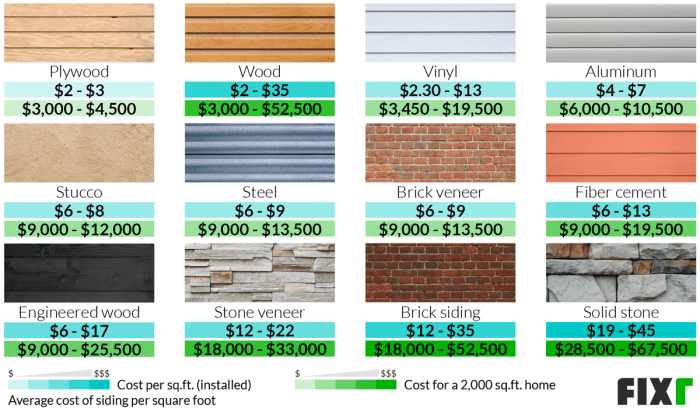
When it comes to siding materials, there are several options commonly used in construction. Each material has its own unique characteristics and cost implications that can influence the overall cost per square foot.
Vinyl Siding
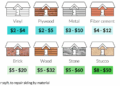
Vinyl siding is one of the most popular choices due to its affordability and low maintenance requirements. It is cost-effective to install and comes in a variety of colors and styles. On average, the cost of vinyl siding per square foot ranges from $3 to $8.
Wood Siding
Wood siding offers a natural and timeless look but requires more maintenance compared to vinyl. The cost of wood siding can vary depending on the type of wood used, with options like cedar and redwood being more expensive. On average, wood siding can cost between $5 to $10 per square foot.
Fiber Cement Siding
Fiber cement siding is a durable and low-maintenance option that resembles the look of wood but with better resistance to rot and pests. It is more expensive than vinyl but can range from $5 to $12 per square foot, depending on the brand and style.
Metal Siding
Metal siding, such as aluminum or steel, is known for its longevity and durability. It is a pricier option compared to vinyl and wood siding, with costs ranging from $7 to $15 per square foot. However, metal siding can be a cost-effective choice in the long run due to its minimal maintenance requirements and longevity.
Average cost breakdown
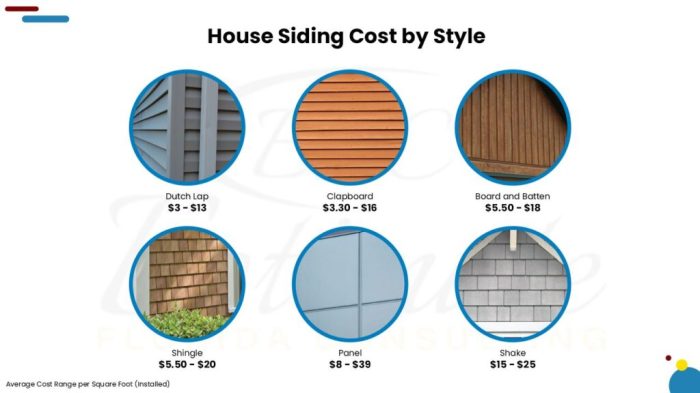
When looking at the average cost breakdown for siding per square foot, it’s essential to consider various factors that contribute to the overall expenses. These factors include material costs, labor costs, additional expenses, and the total cost of the project.
Let’s delve into the details to understand how each component affects the total cost.
Material Costs
Material costs typically make up a significant portion of the total expenses when it comes to siding projects. The type of siding material chosen can greatly impact the overall cost. Here is an estimated breakdown of material costs per square foot:
Vinyl
$2.50$7.50
-
Wood
$5.00
- $15.00
- $12.00
- $15.00
- $20.00
Fiber Cement
$6.00
Metal
$7.00
Brick
$8.00
Labor Costs
Labor costs are another essential component to consider when determining the total cost of siding per square foot. Labor costs can vary depending on the complexity of the project, location, and contractor rates. On average, labor costs can range from $3.00 to $8.00 per square foot.
Additional Expenses
In addition to material and labor costs, there are additional expenses to factor into the total cost of siding. These expenses may include permits, disposal fees, equipment rentals, and any unforeseen issues that arise during the project. It is recommended to set aside around 10-20% of the total project cost to cover these additional expenses.
Total Costs
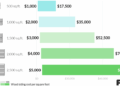
When combining material costs, labor costs, and additional expenses, the total cost of siding per square foot can range from $8.50 to $35.00 or more, depending on the materials chosen and the scope of the project. It’s crucial to budget accordingly and obtain multiple quotes from reputable contractors to ensure a realistic estimate of the total cost.
Cost-saving tips
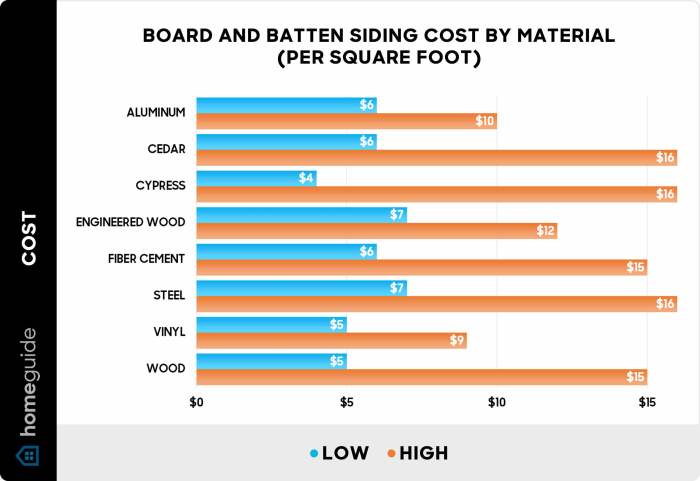
When it comes to reducing siding costs, there are several practical tips and strategies that homeowners can consider. From exploring DIY options to negotiating with contractors, there are ways to lower expenses without compromising on quality.
Consider DIY Installation
- One of the most effective ways to save on siding costs is by opting for a DIY installation. By taking on the project yourself, you can eliminate labor costs associated with hiring a professional contractor.
- However, it’s important to assess your skills and the complexity of the siding material before deciding to go the DIY route. Certain types of siding, such as fiber cement, may require specialized tools and expertise.
Negotiate with Contractors
- Don’t be afraid to negotiate with siding contractors to get the best deal possible. Obtain multiple quotes and compare prices to ensure you’re getting a competitive rate.
- Consider bundling services or materials to potentially secure a discount. Contractors may be willing to offer a lower price if you’re willing to commit to additional services or a larger project.
Explore Lower-Cost Siding Materials
- While high-end siding materials like cedar or stone can significantly drive up costs, there are more budget-friendly options available. Vinyl siding, for example, is a cost-effective alternative that still offers durability and aesthetic appeal.
- Consider exploring alternative materials that mimic the look of more expensive options. For instance, engineered wood siding can provide the appearance of real wood at a fraction of the cost.
Regional cost variations
When it comes to siding costs, geographical location plays a significant role in determining the overall expenses. Factors such as regional labor rates, material availability, and climate can impact pricing, leading to variations in costs across different regions.
Labor Rates Impact
Labor rates can vary greatly from one region to another, affecting the overall cost of a siding project. For example, areas with higher living costs typically have higher labor rates, leading to increased expenses for installation.
Material Availability Influence
The availability of siding materials can also impact costs regionally. In areas where certain materials are scarce or need to be imported, prices can be higher due to transportation and supply chain factors. This can significantly affect the overall cost of a siding project.
Climate Considerations
Climate plays a crucial role in determining the type of siding required for a specific region. For instance, regions prone to extreme weather conditions may require more durable and weather-resistant siding materials, which can be more expensive compared to materials suitable for milder climates.
This difference in material selection can lead to varying costs for siding projects in different regions.
Examples of Regional Cost Variations
- In areas with high labor costs like urban centers on the East Coast, siding projects may cost more compared to rural areas in the Midwest.
- Regions with harsh winters may require siding materials that can withstand freezing temperatures, leading to higher costs compared to regions with mild climates.
- In coastal areas prone to saltwater exposure, siding materials need to be corrosion-resistant, resulting in increased expenses for homeowners in these regions.
Final Review
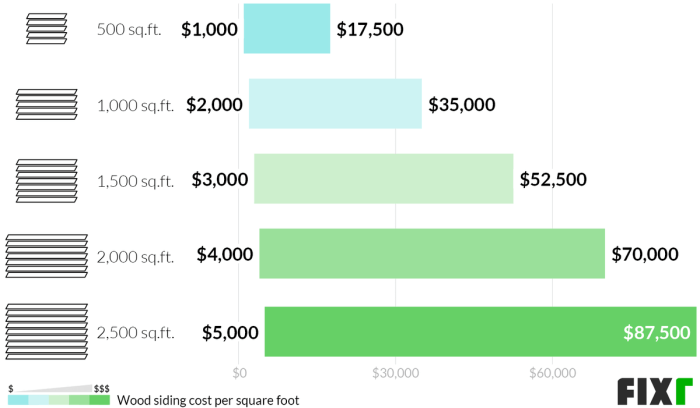
In conclusion, the discussion on average siding cost per square foot sheds light on the complexities of pricing and the importance of considering various factors before embarking on a siding project. Armed with this knowledge, homeowners can make informed decisions that align with their budget and vision for their homes.
FAQ Insights
What factors influence siding cost?
Factors such as materials used, labor costs, location, and additional features can impact the average siding cost per square foot.
Which siding materials are commonly used?
Common siding materials include vinyl, wood, fiber cement, and metal, each with varying costs that affect the overall price per square foot.
How can homeowners save on siding costs?
Homeowners can save on siding costs by exploring DIY options, negotiating with contractors, and finding ways to reduce material expenses without compromising quality.
Do siding costs vary by region?
Yes, siding costs can vary based on factors such as regional labor rates, material availability, and climate conditions, leading to different pricing for the same project in various regions.