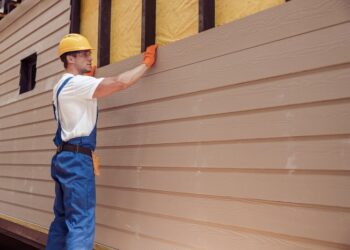
Embark on a journey into the world of siding installation, where different materials, designs, and maintenance practices come together to enhance the aesthetics and longevity of your building. Get ready to explore the ins and outs of this essential construction process.
Types of Siding Materials
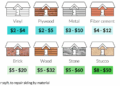
When it comes to siding installation, there are several types of materials to choose from based on your preferences and budget. Each material comes with its own set of advantages and disadvantages, as well as varying levels of durability and maintenance requirements.
Let’s explore some popular siding materials and compare their cost-effectiveness.
Vinyl Siding
Vinyl siding is a popular choice due to its affordability and low maintenance requirements. It is available in a wide range of colors and styles, making it versatile for different home designs. However, vinyl siding may not be as durable as other materials and can crack or fade over time.
Wood Siding
Wood siding provides a natural and timeless look to homes. It is a renewable resource and can be easily painted or stained to match your desired aesthetic. However, wood siding requires regular maintenance such as painting or staining to prevent rot or insect damage.
It is also more susceptible to fire compared to other materials.
Fiber Cement Siding
Fiber cement siding is known for its durability and resistance to rot, fire, and insects. It can mimic the look of wood or stucco without the maintenance requirements. While fiber cement siding is more costly upfront, it can save money in the long run due to its longevity and minimal maintenance needs.
Metal Siding
Metal siding, such as aluminum or steel, is highly durable and resistant to fire, rot, and insects. It is lightweight and can be easily installed, making it a cost-effective option. However, metal siding may dent or scratch easily, and certain metals can be prone to corrosion in humid environments.
Siding Installation Process
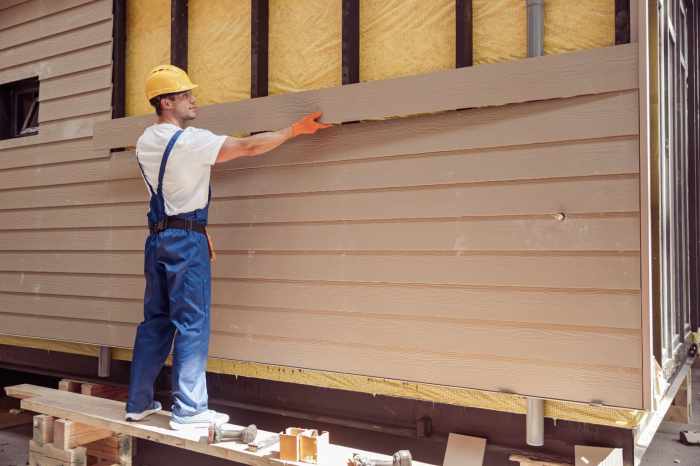
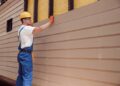
Installing siding on a building is a crucial step in enhancing its appearance, protection, and energy efficiency. The process involves several steps that must be followed diligently to ensure a successful outcome.
Tools and Equipment Required
- Hammer
- Nails or screws
- Tape measure
- Level
- Circular saw
- Utility knife
- Siding cutter
- Caulk gun
Preparation Before Installation
Before installing siding, it is essential to prepare the surface properly. This includes:
- Cleaning the surface to remove dirt, debris, and any old paint.
- Repairing any damaged areas, such as holes or cracks in the wall.
- Applying a weather-resistant barrier to protect against moisture penetration.
Siding Installation Steps
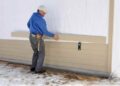
- Measure and cut the siding panels to fit the dimensions of the wall.
- Start from the bottom and work your way up, overlapping the panels to ensure proper water drainage.
- Secure the siding panels using nails or screws, making sure they are level and properly aligned.
- Use a siding cutter or utility knife to make any necessary cuts for windows, doors, or corners.
Insulation and Weatherproofing
Proper insulation and weatherproofing are crucial for energy efficiency and protection against the elements. Consider:
- Adding insulation boards or foam to improve thermal performance.
- Sealing gaps and joints with caulk to prevent air and water infiltration.
- Ensuring proper flashing around windows, doors, and other openings for waterproofing.
Siding Design and Styles
When it comes to siding design and styles, there are numerous options available in the market to enhance the visual appeal of a building. The design of the siding can significantly impact the overall aesthetics of a structure, making it essential to choose the right style based on architectural preferences.
Factors such as color, texture, and patterns play a crucial role in creating a cohesive and attractive look for the exterior of a building.
Different Design Options
- Vinyl Siding: A popular choice known for its versatility, durability, and low maintenance.
- Fiber Cement Siding: Resistant to fire, rot, and pests, offering a wide range of design options.
- Wood Siding: Provides a natural and classic look, but requires more maintenance compared to other materials.
- Metal Siding: Modern and sleek, offering durability and a variety of finishes.
Impact on Aesthetics
- The choice of siding design can enhance the architectural style of a building, whether it’s traditional, modern, or contemporary.
- Color selection can influence the perceived size and shape of a structure, creating visual interest and curb appeal.
- Texture and patterns can add depth and dimension to the exterior, highlighting architectural details and creating a unique look.
Choosing the Right Style
- Consider the architectural style of the building when selecting a siding design to ensure harmony and cohesion.
- Take into account the surrounding environment and climate to choose a material that can withstand local weather conditions.
- Consult with a design professional or contractor to explore different options and find the best style that complements the overall look of the property.
Maintenance and Repair of Siding
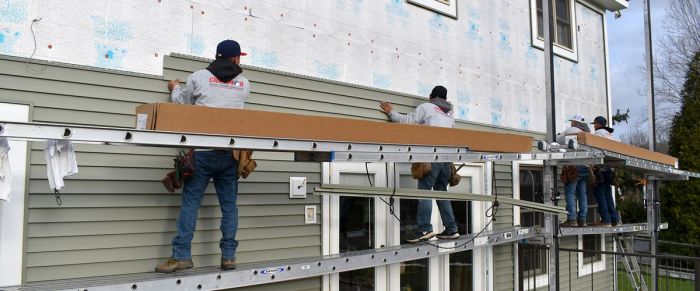
Maintaining and repairing siding is crucial to ensure its longevity and keep your home looking great. By following best practices and addressing issues promptly, you can extend the lifespan of your siding and prevent costly repairs.
Best Practices for Maintaining Siding
- Regularly clean your siding to remove dirt, debris, and mold buildup.
- Inspect for any signs of damage, such as cracks, warping, or loose panels.
- Trim vegetation near the siding to prevent moisture retention and potential damage.
- Consider applying a fresh coat of paint or sealant to protect the siding from the elements.
Common Siding Issues and Troubleshooting
- If you notice mold or mildew, use a mixture of water and mild detergent to clean the affected area.
- For warped or loose panels, consider reattaching or replacing them to maintain the integrity of the siding.
- Cracks can be sealed with caulk to prevent water infiltration and further damage.
Repairing Damaged Siding Sections
- Identify the extent of the damage and determine if a repair or replacement is necessary.
- Use appropriate tools and materials to fix the damaged section, ensuring a secure and seamless repair.
- Match the color and style of the existing siding to maintain a cohesive look.
Importance of Regular Inspections
- Schedule routine inspections to catch any issues early and prevent extensive damage.
- Address repairs promptly to avoid further deterioration and maintain the structural integrity of your home.
- Regular upkeep can help prolong the lifespan of your siding and save you money in the long run.
Ultimate Conclusion
In conclusion, siding installation is a crucial aspect of building maintenance and design. By understanding the various materials, installation processes, and maintenance tips, you can ensure a durable and visually appealing exterior for your property. Dive into the world of siding installation and elevate the look of your building today.
FAQ
What is the most cost-effective siding material?
Vinyl is often considered the most cost-effective siding material due to its low initial cost and minimal maintenance requirements.
How often should I inspect my siding for damage?
It is recommended to inspect your siding at least once a year to catch any issues early and prevent further damage.