As vinyl siding takes center stage, this opening passage beckons readers with a wealth of knowledge, ensuring a reading experience that is both absorbing and distinctly original.
Vinyl siding has become a popular choice for homeowners looking to enhance their property. From its durability to the array of styles available, there’s much to explore in the world of vinyl siding.
Introduction to Vinyl Siding
Vinyl siding is a popular exterior cladding material used in construction for homes and buildings. It is made from PVC (polyvinyl chloride) resin and is designed to protect the structure from the elements while enhancing its appearance.
Benefits of Vinyl Siding
- Low Maintenance: Vinyl siding is easy to clean and does not require painting, saving time and money on upkeep.
- Durability: It is resistant to rot, moisture, and pests, providing long-lasting protection for the building.
- Cost-Effective: Vinyl siding is relatively affordable compared to other siding materials, making it a budget-friendly option.
Common Colors and Styles
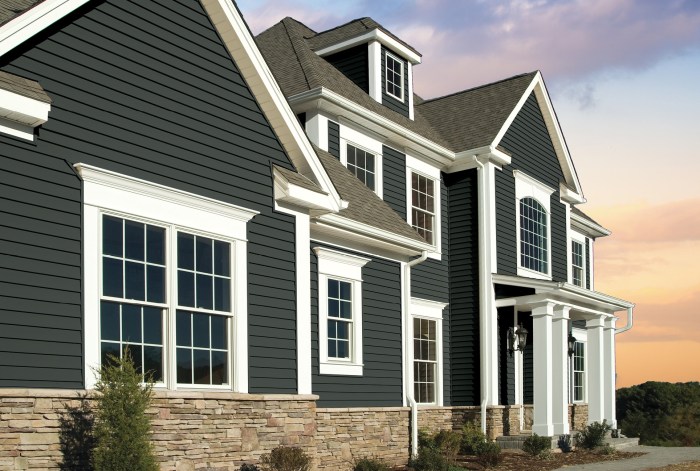
Vinyl siding comes in a wide range of colors and styles to suit different architectural designs and preferences. Some popular colors include white, beige, gray, and blue, while styles like lap siding, shake siding, and board and batten are commonly used for various aesthetics.
Installation of Vinyl Siding
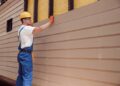
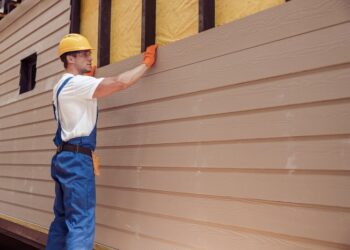
Installing vinyl siding on a house is a great way to enhance its appearance and protect it from the elements. Here is a step-by-step guide on how to successfully install vinyl siding.
Materials and Tools Needed
- Vinyl siding panels
- J-channel
- Trim pieces
- Nails or screws
- Utility knife
- Tape measure
- Level
- Hammer or screwdriver
- Caulk gun
Step-by-Step Installation Process
- Prepare the walls by removing any existing siding and repairing any damage.
- Install the J-channel around windows, doors, and corners to provide a finished look.
- Start at the bottom of the wall and work your way up, overlapping the panels to prevent water infiltration.
- Cut the panels to size using a utility knife and secure them in place with nails or screws.
- Install trim pieces around windows, doors, and corners to complete the look.
- Use a level to ensure each panel is installed straight and even.
- Apply caulk around windows, doors, and trim pieces to seal out moisture.
Common Mistakes to Avoid
- Avoid installing siding on uneven or wet surfaces, as this can lead to warping or damage.
- Do not overdrive nails or screws, as this can cause the siding to buckle or crack.
- Avoid leaving gaps between panels, as this can allow water to seep behind the siding.
- Take care when cutting panels to ensure accurate measurements and clean edges.
Maintenance of Vinyl Siding
Maintaining vinyl siding is essential to ensure its longevity and keep your home looking great. Proper cleaning and minor repairs can help prevent major issues down the line.
Cleaning and Maintenance Tips
- Regularly clean your vinyl siding with a mixture of mild soap and water to remove dirt, grime, and mildew. Avoid using harsh chemicals or abrasive materials that can damage the surface.
- Rinse the siding thoroughly with a garden hose to remove any soap residue and prevent streaking.
- Inspect the siding for any signs of damage, such as cracks, holes, or loose panels. Address these issues promptly to prevent further damage.
- Trim any bushes or trees near the siding to prevent scratches or damage from branches rubbing against the surface.
- Consider using a pressure washer on a low setting to clean hard-to-reach areas, but be cautious not to use too much pressure, which can cause water to get behind the siding.
Repairing Minor Damages
- For minor cracks or holes in vinyl siding, use a vinyl siding repair kit that includes patches and adhesive to fill in the damaged areas.
- Ensure the repair kit matches the color of your existing siding to blend in seamlessly.
- If a panel is loose, secure it back in place using nails or screws, making sure not to over tighten to avoid warping the siding.
- Inspect the caulking around windows, doors, and trim for any gaps or cracks and reapply caulk as needed to maintain a weatherproof seal.
Comparison with Other Siding Materials
- Vinyl siding is relatively low maintenance compared to other siding materials like wood, which requires regular painting and staining to prevent rot and decay.
- Fiber cement siding is another low maintenance option, but it may require occasional repainting to maintain its appearance.
- Brick and stone siding are durable but may require occasional tuckpointing or repairs to keep them looking their best.
- Metal siding is durable but may be prone to rust over time, requiring maintenance to prevent corrosion.
Environmental Impact of Vinyl Siding
Vinyl siding has both positive and negative environmental impacts that need to be considered when choosing a siding material for your home.
Eco-friendliness and Sustainability
Vinyl siding is not considered the most eco-friendly option due to the manufacturing process that involves the use of fossil fuels and the release of toxic chemicals. However, vinyl siding is durable and long-lasting, which can reduce the need for frequent replacements, thus minimizing waste.
Recyclability and Environmental Impact
While vinyl siding is not biodegradable, it is recyclable. Recycling vinyl siding can help reduce the amount of waste sent to landfills and conserve resources. It is important to check with local recycling facilities to ensure proper disposal and recycling of vinyl siding.
Energy Efficiency Comparison
Vinyl siding is known for its energy efficiency as it can help improve insulation and reduce energy consumption for heating and cooling. When compared to other siding materials like wood or aluminum, vinyl siding offers better thermal performance, contributing to overall energy savings in the long run.
Cost Considerations of Vinyl Siding
When considering vinyl siding for your home, it is essential to understand the cost factors involved in the installation process. Vinyl siding offers a cost-effective solution for homeowners looking to improve the exterior of their homes while providing durability and low maintenance.
Breakdown of Cost Factors
- The cost of the vinyl siding material itself, which can vary based on the quality and brand chosen.
- Labor costs for installation, which may depend on the size of your home and the complexity of the project.
- Add-on features such as insulation, trim, and accessories, which can increase the overall cost.
- Additional costs for removing old siding, repairing any damage, or preparing the surface for installation.
Comparison with Other Siding Materials
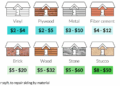
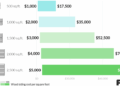
- Vinyl siding is known for its affordability compared to other siding materials such as wood, brick, or fiber cement.
- While the initial investment for vinyl siding may be lower, it is essential to consider the long-term savings. Vinyl siding requires minimal maintenance and does not need to be repainted, saving on maintenance costs over time.
- When comparing the cost of vinyl siding with other materials, consider factors like durability, energy efficiency, and lifespan to make an informed decision.
Tips for Budgeting Effectively
- Get multiple quotes from different contractors to compare prices and services offered.
- Consider the size of your home and any additional features you want to include in your budget.
- Factor in any potential maintenance or repair costs in the long run to understand the overall cost of investing in vinyl siding.
- Plan for unexpected expenses by setting aside a contingency fund to cover any surprises that may arise during the installation process.
Final Review
In conclusion, vinyl siding offers a versatile and cost-effective solution for homeowners seeking durable and visually appealing exterior options. With its easy maintenance and long-term benefits, vinyl siding continues to stand out as a top choice in the realm of construction materials.
Answers to Common Questions
What are the benefits of vinyl siding?
Vinyl siding is known for its durability, low maintenance requirements, and wide range of colors and styles to choose from.
How do you clean vinyl siding?
Simply use a mixture of water and mild detergent to clean vinyl siding, followed by rinsing with a garden hose.
Is vinyl siding environmentally friendly?
Vinyl siding is considered eco-friendly due to its recyclability and energy efficiency, making it a sustainable choice for homeowners.
What tools are needed for vinyl siding installation?
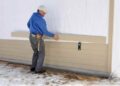
Tools required for vinyl siding installation include a hammer, utility knife, level, and zip tool for efficient installation.
How does the cost of vinyl siding compare to other materials?
Vinyl siding is typically more cost-effective than other siding materials, offering both initial savings and long-term benefits in terms of maintenance.