Embark on a journey into the world of fiber cement siding installation, a popular choice among homeowners looking to enhance their homes with durability and style. Dive into the process, benefits, and key considerations in this comprehensive guide.
Introduction to Fiber Cement Siding Installation
Fiber cement siding is a durable and versatile building material made from a combination of cement, sand, and cellulose fibers. It is designed to mimic the look of traditional wood siding while offering enhanced durability and minimal maintenance requirements.
Why Fiber Cement Siding is a Popular Choice for Homeowners
Fiber cement siding has gained popularity among homeowners due to its numerous benefits. One of the main reasons is its resistance to rot, pests, and fire, making it a long-lasting and low-maintenance option. Additionally, fiber cement siding is available in a wide range of colors and textures, allowing homeowners to achieve the desired aesthetic for their homes.
The Benefits of Fiber Cement Siding Compared to Other Materials
- Durability: Fiber cement siding is known for its exceptional durability, with a lifespan of 50+ years.
- Low Maintenance: Unlike wood siding, fiber cement requires minimal maintenance and is resistant to rot and pests.
- Fire Resistance: Fiber cement siding is non-combustible, providing added safety and protection for homes.
- Aesthetic Versatility: With a variety of colors and textures available, homeowners have the flexibility to customize the look of their homes.
Preparation for Installation
Proper preparation is essential before installing fiber cement siding to ensure a successful and long-lasting outcome. This involves gathering the necessary tools and materials, as well as preparing the surface where the siding will be installed.
Tools and Materials Needed
- Fiber cement siding panels
- Measuring tape
- Pencil
- Straight edge
- Circular saw or shears
- Nails or screws
- Hammer or screwdriver
- Level
- Joint flashing
- House wrap or moisture barrier
- Caulk and caulk gun
Importance of Proper Surface Preparation
Proper surface preparation is crucial for the longevity and performance of fiber cement siding. It helps prevent moisture infiltration, ensures proper insulation, and creates a smooth and level surface for installation.
Steps for Preparing the Area
- Clean the existing surface to remove dirt, debris, and any loose paint or siding.
- Inspect the surface for any signs of damage or rot and repair as needed.
- Install house wrap or a moisture barrier to protect against moisture intrusion.
- Apply joint flashing around windows, doors, and corners to prevent water seepage.
- Check the surface for levelness and make any necessary adjustments.
- Ensure proper ventilation to prevent moisture buildup behind the siding.
Installation Process
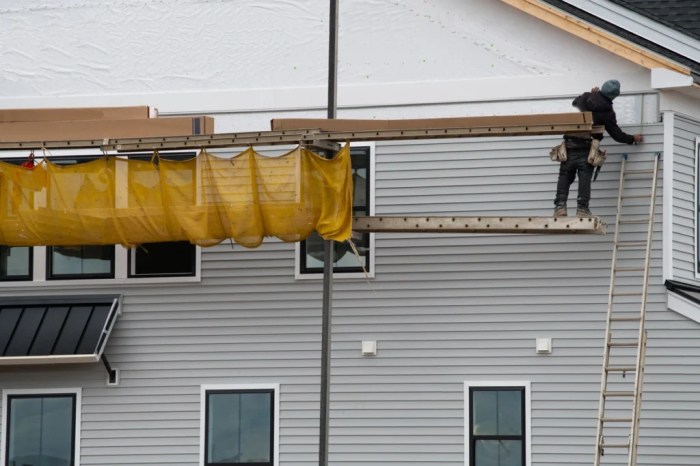
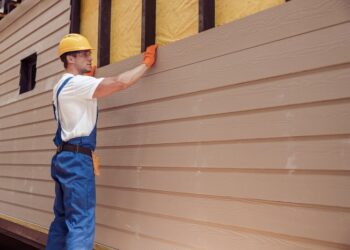
When it comes to installing fiber cement siding, it is crucial to follow a detailed step-by-step process to ensure a successful outcome. This durable material can enhance the appearance and functionality of your home, but proper installation is key to its longevity.
Methods of Installing Fiber Cement Siding
- Shingle: Fiber cement shingles are installed from the bottom up, overlapping each other to create a weather-resistant barrier.
- Plank: Plank siding is typically installed horizontally, with each piece overlapping the one below it to prevent water infiltration.
- Panel: Fiber cement panels can be installed vertically or horizontally, providing a modern look to your home’s exterior.
Cutting and Fitting Fiber Cement Siding
Properly cutting and fitting fiber cement siding pieces is essential to achieve a seamless look and ensure the siding’s effectiveness. Here are some key steps to follow:
- Measure twice, cut once: Accurate measurements are crucial to avoid wastage and ensure a precise fit.
- Use the right tools: A circular saw equipped with a carbide-tipped blade is recommended for cutting fiber cement siding.
- Minimize dust: Cutting fiber cement siding can produce harmful silica dust, so it’s important to wear a respirator and minimize dust exposure.
- Install with precision: Make sure each piece of siding is properly aligned and securely fastened to prevent any gaps or water intrusion.
Finishing and Sealing
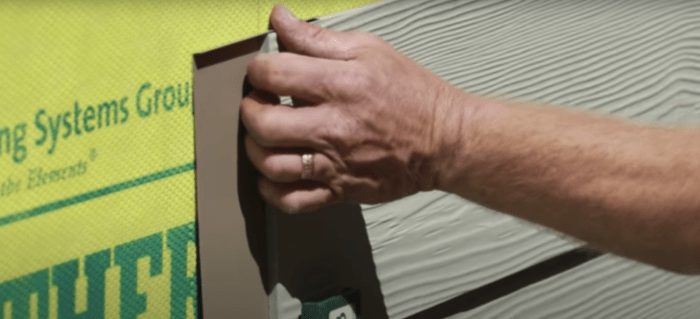
When it comes to fiber cement siding, finishing and sealing are crucial steps to ensure the longevity and durability of the material. Proper finishing not only enhances the appearance of the siding but also provides an extra layer of protection against the elements.
Sealing, on the other hand, helps prevent moisture penetration and protects the siding from damage.
Finishing Options
- Paint: Fiber cement siding can be painted in a wide range of colors to suit your home’s aesthetic. Make sure to use high-quality exterior paint specifically designed for fiber cement.
- Stain: Staining is another popular option that allows the natural texture of the fiber cement to show through while providing a protective layer.
- Pre-finished: Some manufacturers offer pre-finished fiber cement siding, which comes with a factory-applied finish for added convenience.
Importance of Sealing
Sealing fiber cement siding is essential to prevent moisture infiltration, which can lead to rot, mold, and other damage. A good quality sealant creates a barrier that keeps water out and maintains the integrity of the siding over time.
Maintaining and Caring for Fiber Cement Siding
- Regular Inspection: Periodically inspect the siding for any signs of damage, such as cracks, chips, or discoloration.
- Cleaning: Clean the siding with a mild detergent and water to remove dirt, grime, and mildew. Avoid using abrasive cleaners that can damage the finish.
- Repairs: Promptly address any issues such as cracks or chips by repairing them with a suitable patching compound.
- Re-painting: If you notice the paint starting to fade or peel, consider repainting the siding to maintain its appearance and protection.
Safety Measures
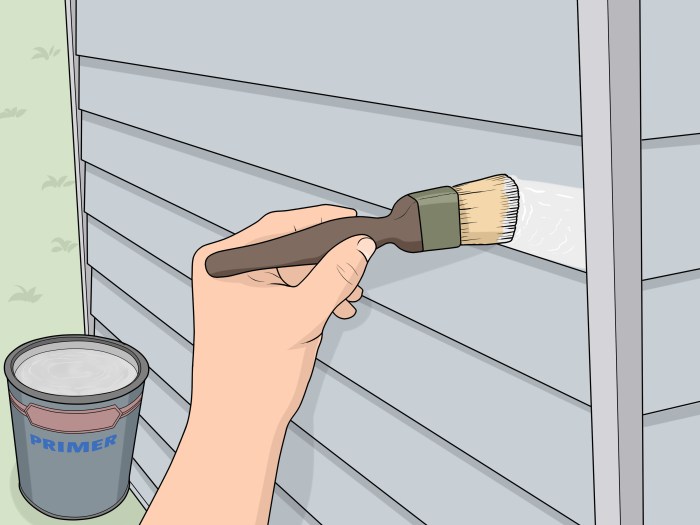
When it comes to fiber cement siding installation, following safety measures is crucial to prevent accidents and ensure a successful project. Working with fiber cement siding can present potential hazards that need to be addressed to protect yourself and others on the job site.
Identifying Potential Hazards
- Exposure to silica dust: Cutting fiber cement siding can release silica dust into the air, which can be harmful if inhaled. It is important to wear a respirator and work in a well-ventilated area to minimize exposure.
- Sharp edges: Fiber cement siding panels have sharp edges that can cause cuts or injuries if not handled carefully. Wearing gloves and using proper cutting tools can help prevent accidents.
- Heavy lifting: Fiber cement siding panels are heavy and can cause strain or injury if not lifted properly. Use proper lifting techniques or mechanical aids to reduce the risk of injury.
Handling and Installation Safety Tips
- Wear appropriate personal protective equipment (PPE) such as safety glasses, gloves, and a respirator when cutting or handling fiber cement siding.
- Familiarize yourself with the manufacturer’s installation instructions and follow them carefully to ensure a proper and safe installation.
- Securely fasten the siding panels to prevent them from falling or shifting during installation, reducing the risk of injuries or accidents.
- Use caution when working on ladders or scaffolding to avoid falls. Make sure the equipment is stable and secure before climbing up.
End of Discussion
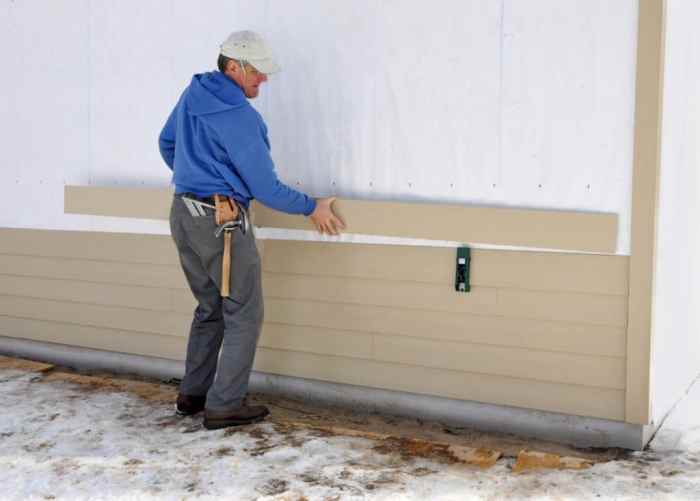
In conclusion, fiber cement siding offers a robust solution for your home’s exterior, blending functionality with aesthetics seamlessly. By following the installation steps and maintenance tips, you can enjoy a long-lasting and visually appealing siding option.
FAQ
What are the key benefits of fiber cement siding?
Fiber cement siding is known for its durability, resistance to rot and pests, low maintenance requirements, and versatility in design options.
What tools are essential for fiber cement siding installation?
Tools such as a circular saw, caulking gun, utility knife, and a pneumatic nail gun are crucial for a successful installation.
How should fiber cement siding be sealed?
It’s important to seal fiber cement siding with a high-quality paint or sealant to protect it from moisture and prolong its lifespan.