Step into the realm of fiberglass siding, where innovation meets durability. This versatile material offers a plethora of benefits and design options that can transform any building. Let’s dive into the fascinating world of fiberglass siding.
Fiberglass siding is a popular choice for many homeowners and builders due to its unique composition and long-lasting qualities. From installation to maintenance, there’s much to uncover about this remarkable material.
Introduction to Fiberglass Siding
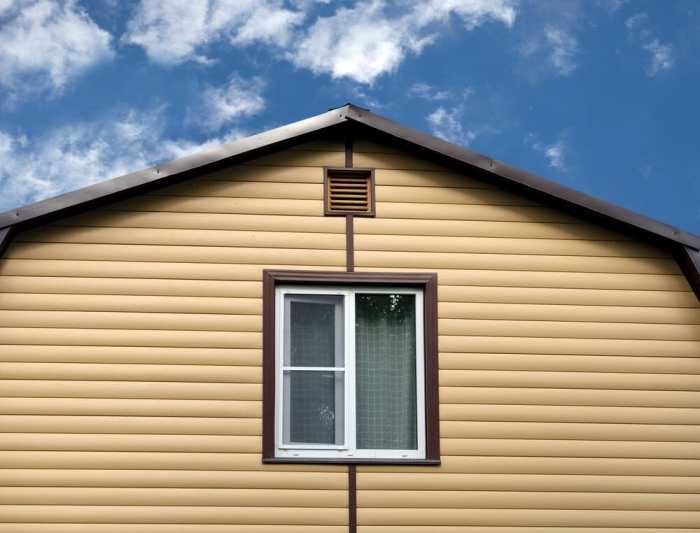
Fiberglass siding is a type of cladding material made from a combination of glass fibers and resin. This results in a durable and versatile product that can be used for both residential and commercial buildings.
There are several benefits to using fiberglass siding. Firstly, it is known for its strength and durability, making it resistant to warping, cracking, and rotting. Additionally, fiberglass siding is low maintenance, requiring minimal upkeep over time. It is also lightweight and easy to install, making it a popular choice for many homeowners.
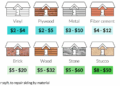
Comparison with Other Siding Materials
- Fiberglass vs. Vinyl Siding: While both materials are low maintenance, fiberglass is known to be more durable and resistant to impact compared to vinyl.
- Fiberglass vs. Wood Siding: Fiberglass siding does not rot or warp like wood siding, making it a longer-lasting option for homeowners.
- Fiberglass vs. Aluminum Siding: Fiberglass is more energy efficient and provides better insulation compared to aluminum siding.
Installation Process
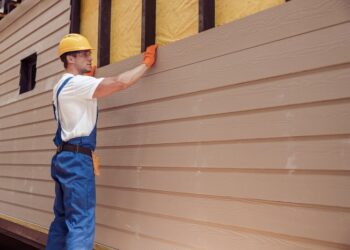
Installing fiberglass siding requires attention to detail and precision to ensure a successful outcome. Here are the steps involved in the installation process along with some tips for a smooth installation.
Gather the Necessary Tools and Materials
- Measuring tape
- Saw
- Level
- Hammer
- Nails
- Corner pieces
- Joint covers
Prepare the Surface
Before installing the fiberglass siding, make sure the surface is clean, dry, and free of any debris. Repair any existing damage or rot to ensure a smooth installation.
Measure and Cut the Siding
Carefully measure the dimensions of the area where the siding will be installed. Use a saw to cut the fiberglass panels to the appropriate size, taking into account any corners or angles.
Install the Siding
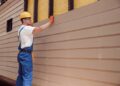
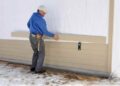
Begin installing the siding at one corner of the wall and work your way across. Use a level to ensure each panel is straight and secure them in place with nails. Pay attention to proper overlap and alignment to create a seamless finish.
Finish with Trim and Joint Covers
Once all the siding panels are in place, add corner pieces and joint covers to provide a polished look and protect the edges. Make sure all seams are properly sealed to prevent water infiltration.
Tip: Consider hiring a professional for the installation if you are not confident in your DIY skills. Proper installation is crucial for the durability and performance of fiberglass siding.
Maintenance and Care
Proper maintenance is essential to ensure the longevity and appearance of your fiberglass siding. Regular care can help prevent damage and keep your siding looking its best for years to come.
Maintenance Requirements for Fiberglass Siding
When it comes to maintaining fiberglass siding, there are a few key points to keep in mind:
- Regularly inspect the siding for any signs of damage, such as cracks or chips.
- Wash the siding at least once a year to remove dirt, grime, and mildew.
- Avoid using abrasive cleaners or tools that could scratch the surface of the siding.
- Apply a fresh coat of wax or polish every few years to protect the finish and enhance the appearance.
How to Clean Fiberglass Siding Effectively
Here are some steps to effectively clean your fiberglass siding:
- Start by rinsing the siding with a garden hose to remove loose dirt and debris.
- Prepare a solution of mild detergent and water in a bucket.
- Using a soft-bristled brush or cloth, gently scrub the siding with the detergent solution.
- Rinse the siding thoroughly with clean water to remove any soap residue.
- Dry the siding with a clean towel or allow it to air dry completely.
Common Issues and How to Address Them
Despite its durability, fiberglass siding may still encounter some common issues:
- Cracking or Chipping:If you notice any cracks or chips in the siding, repair them promptly using a fiberglass repair kit.
- Fading:To address fading, consider applying a UV-resistant coating to protect the siding from sun damage.
- Mildew Growth:If mildew starts to appear, clean the affected area with a mixture of water and bleach to prevent further growth.
Durability and Longevity
Fiberglass siding is known for its exceptional durability compared to other siding materials. It is resistant to warping, cracking, rotting, and pests, making it a long-lasting option for homes.
Lifespan of Fiberglass Siding
- Fiberglass siding can last anywhere from 30 to 50 years with proper maintenance.
- The lifespan of fiberglass siding can be affected by factors such as climate, installation quality, and maintenance routine.
- Regular inspections and repairs can help extend the lifespan of fiberglass siding.
Tips to Extend the Longevity of Fiberglass Siding
- Regularly clean the siding to remove dirt, dust, and mildew buildup.
- Inspect for any damage or signs of wear and tear, and address them promptly.
- Avoid using abrasive cleaning agents that can damage the protective coating of the siding.
- Ensure proper installation to prevent future issues and maintain the integrity of the siding.
- Consider applying a fresh coat of paint or sealant every few years to protect the fiberglass from the elements.
Design Options
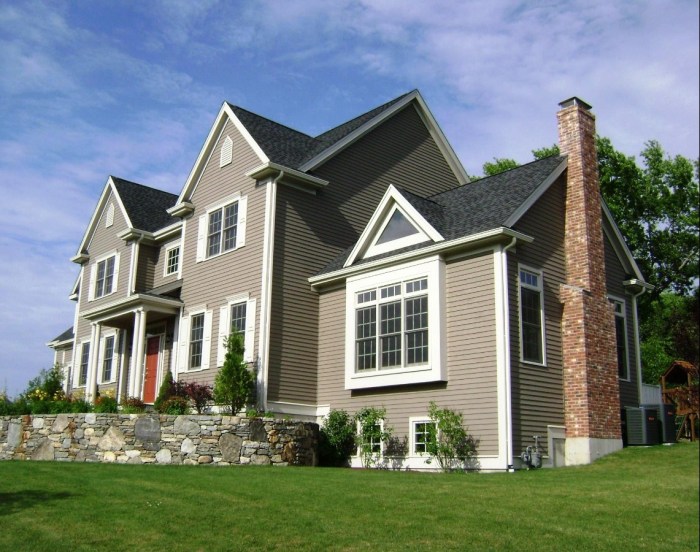
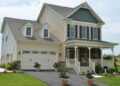
Fiberglass siding offers a wide range of design options to enhance the aesthetic appeal of any building. From color choices to textures and finishes, there are plenty of ways to customize the look of your exterior.
Color Choices
- One of the advantages of fiberglass siding is the vast array of color options available. Whether you prefer bold and vibrant hues or subtle and neutral tones, there is a color to suit every taste.
- From classic white and beige to modern blues and greens, the color choices for fiberglass siding are virtually limitless.
Textures and Finishes
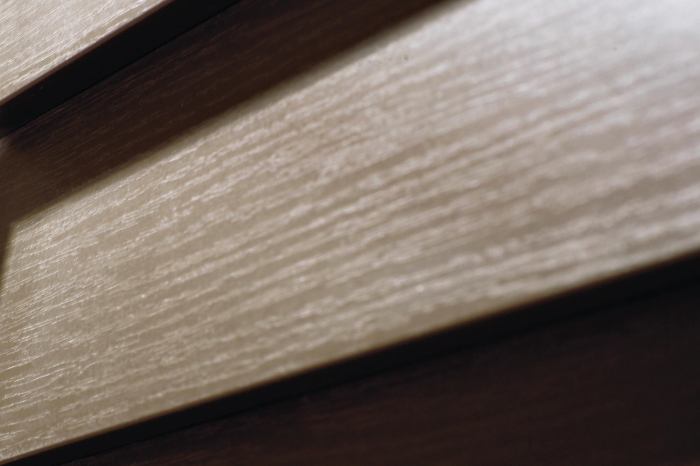
- Fiberglass siding can mimic the look of natural materials like wood or stone, providing a textured finish that adds depth and character to your home’s exterior.
- You can choose from smooth finishes for a sleek and modern look, or opt for more textured finishes for a rustic and traditional appearance.
Enhancing Aesthetic Appeal
- By selecting the right design options for your fiberglass siding, you can greatly enhance the overall aesthetic appeal of your building.
- Whether you want to create a cohesive look with the surrounding landscape or make a bold statement with a pop of color, fiberglass siding allows for endless possibilities in design.
Last Recap
In conclusion, fiberglass siding emerges as a top contender in the world of building materials, combining strength with style. Whether you’re looking for longevity or aesthetic appeal, fiberglass siding has you covered. Dive into the world of fiberglass siding and elevate your building’s exterior today.
Questions Often Asked
What are the benefits of fiberglass siding?
Fiberglass siding is known for its durability, low maintenance requirements, and versatility in design options.
How do you clean fiberglass siding effectively?
Simply use a mixture of water and mild detergent to clean fiberglass siding, then rinse with water.
What design options are available for fiberglass siding?
Fiberglass siding comes in various colors, textures, and finishes to suit different architectural styles and preferences.