When it comes to house siding, the options are vast and varied, each with its own unique qualities and benefits. From the timeless appeal of wood siding to the modern look of metal siding, the choices can be overwhelming. Let’s dive into the world of house siding types to uncover the best options for your home.
As we delve deeper into the various materials and styles, you’ll gain a better understanding of how different house siding types can transform the look and feel of your house.
Types of House Siding
When it comes to house siding, there are various materials to choose from, each with its own unique set of characteristics. From vinyl and wood to fiber cement and metal, the options are diverse and cater to different needs and preferences.
Vinyl Siding
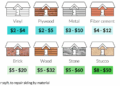
Vinyl siding is one of the most popular choices for homeowners due to its affordability and low maintenance. It comes in a wide range of colors and styles, making it versatile for different architectural designs. However, it may not be as durable as other materials and can crack or fade over time.
Wood Siding
Wood siding offers a classic, natural look that can enhance the aesthetic appeal of a home. It is durable and can last for decades with proper maintenance. However, wood siding requires regular painting or staining to protect it from the elements, making it a higher maintenance option.
Fiber Cement Siding
Fiber cement siding is a popular choice for its durability and resistance to fire, moisture, and pests. It can mimic the look of wood or stucco while requiring minimal maintenance. Although it is more expensive upfront, the long-term benefits make it a worthwhile investment for many homeowners.
Metal Siding
Metal siding, such as steel or aluminum, is known for its strength and longevity. It is resistant to rot, insects, and extreme weather conditions, making it a durable option for homes in harsh climates. Metal siding is also recyclable, making it an environmentally friendly choice for eco-conscious homeowners.
Vinyl Siding
Vinyl siding is a popular choice for homeowners due to its many benefits. It is durable, low-maintenance, versatile in design, and cost-effective compared to other materials.
Benefits of Using Vinyl Siding
- Durability:Vinyl siding is resistant to rot, moisture, and pests, making it a long-lasting option for your home.
- Low Maintenance:Unlike wood siding, vinyl siding does not require painting or staining. Simply cleaning it with soap and water will keep it looking great.
- Versatility:Vinyl siding comes in a wide range of colors and styles, allowing you to customize the look of your home to fit your taste.
- Cost-Effective:In comparison to materials like wood or fiber cement, vinyl siding is more budget-friendly upfront and requires less maintenance over time.
Maintenance Tips for Vinyl Siding
- Regularly clean your vinyl siding with a mild detergent and water to prevent dirt and grime buildup.
- Inspect for any damage or loose panels, and repair or replace them as needed to maintain the integrity of your siding.
- Avoid using high-pressure washers, as they can damage the siding. Stick to gentle cleaning methods to preserve the quality of your vinyl siding.
Cost Comparison of Vinyl Siding
- Vinyl vs. Wood:Vinyl siding is typically more affordable than wood siding upfront and requires less maintenance, saving you money in the long run.
- Vinyl vs. Fiber Cement:While fiber cement siding offers durability similar to vinyl, it is more expensive to install and maintain, making vinyl siding a cost-effective choice for many homeowners.
Wood Siding
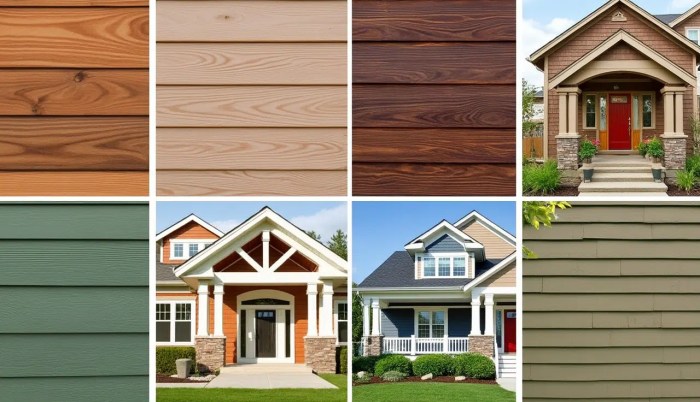
Wood siding is a popular choice for homeowners looking for a natural and classic look for their homes. It offers a timeless appeal and can be made from various types of wood, each with its own unique characteristics.
Types of Wood for Siding
- Cedar: Known for its natural resistance to decay and insects, cedar is a popular choice for wood siding. It has a beautiful grain pattern and can be left untreated to weather naturally.
- Pine: Pine is a cost-effective option for wood siding and can be easily painted or stained to achieve the desired look. However, it is more susceptible to decay and insect damage compared to cedar.
- Redwood: Redwood is a durable and rot-resistant wood that offers a rich, reddish-brown hue. It is a higher-end option for wood siding but provides a luxurious and long-lasting finish.
Environmental Impact
Wood siding, when sourced from sustainably managed forests, can be an environmentally friendly choice. However, the harvesting of wood for siding can contribute to deforestation and habitat destruction if not done responsibly. It is essential for homeowners to choose wood siding from certified sustainable sources to minimize the environmental impact.
Preserving and Maintaining Wood Siding
- Regularly inspect and clean the siding to remove dirt, debris, and mold.
- Apply a protective finish or stain to seal the wood and prevent water damage.
- Address any damage or rot promptly to prevent further deterioration.
- Keep vegetation trimmed away from the siding to prevent moisture buildup and insect infestations.
Fiber Cement Siding
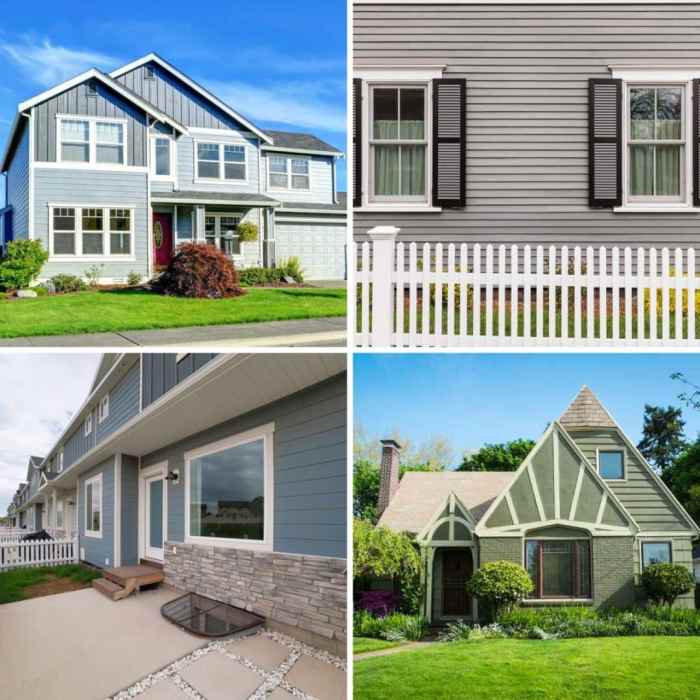
Fiber cement siding is a durable and low-maintenance siding option made from a mixture of cement, sand, and cellulose fibers. This composition gives it the strength and resilience to withstand various weather conditions and resist damage from pests, rot, and fire.
Longevity Comparison
- Fiber cement siding is known for its exceptional longevity, with a lifespan of 50 years or more when properly installed and maintained.
- Compared to vinyl siding, which typically lasts around 20-30 years, fiber cement siding offers a longer-lasting solution for homeowners.
- When compared to wood siding, which may require more frequent maintenance and is susceptible to rot and insect damage, fiber cement siding stands out for its longevity and durability.
Installation Process
The installation of fiber cement siding requires precision and expertise to ensure a proper fit and seal. The process typically involves the following steps:
- Preparation of the exterior surface, which may include removing old siding, repairing any damage, and ensuring a smooth and clean surface.
- Measurement and cutting of the fiber cement siding panels to fit the specific dimensions of the home’s exterior.
- Installation of the siding panels, starting from the bottom and working upwards, to allow for proper water drainage and overlap between panels.
- Securing the panels in place with nails or screws, making sure to follow manufacturer guidelines for spacing and fastening.
- Finishing touches such as caulking joints, painting or sealing the siding, and ensuring all edges are properly sealed to protect against moisture infiltration.
Metal Siding
Metal siding is a popular choice for homeowners looking for a durable and low-maintenance option. It offers a sleek and modern look to a home’s exterior, making it a great choice for contemporary architecture.
Various Metals Used in Metal Siding
Metal siding can be made from a variety of metals, including aluminum, steel, zinc, and copper. Each metal has its own unique properties and characteristics that affect the performance and appearance of the siding.
- Aluminum: Lightweight and resistant to corrosion, making it a popular choice for coastal areas.
- Steel: Durable and affordable, but may be prone to rust if not properly maintained.
- Zinc: Offers a natural patina over time, giving a unique look to the siding.
- Copper: Known for its luxurious appearance and longevity, but comes with a higher price tag.
Pros and Cons of Metal Siding
Metal siding has several advantages, such as durability, fire resistance, and low maintenance requirements. However, it also has some drawbacks, including the potential for dents, scratches, and corrosion over time.
- Pros:
- Durable and long-lasting
- Fire-resistant
- Low maintenance
- Cons:
- Potential for dents and scratches
- Corrosion over time
- May require repainting in the future
Design Tips for Incorporating Metal Siding in Modern Architecture
When using metal siding in modern architecture, consider the following design tips to create a cohesive and stylish look:
- Contrast with other materials: Pair metal siding with wood, stone, or glass for a striking visual contrast.
- Use bold colors: Experiment with bold and vibrant colors to make a statement with your metal siding.
- Focus on clean lines: Emphasize clean and sleek lines to enhance the modern aesthetic of your home.
- Consider texture: Explore textured metal siding options to add depth and visual interest to your home’s exterior.
Brick Siding
Brick siding is a popular choice for homeowners due to its durability and timeless appeal. It adds a classic look to any home and requires minimal maintenance over the years.
Types of Brick Siding
- Traditional Brick Veneer: Thin slices of real brick applied to the exterior of a home.
- Brick Panels: Larger sections of brick that are easier to install than individual bricks.
- Thin Brick: Lightweight and versatile, perfect for both interior and exterior applications.
Insulation Properties of Brick Siding
Brick siding is known for its excellent thermal mass, which helps regulate indoor temperatures and reduce energy costs. It provides natural insulation, keeping homes cool in the summer and warm in the winter.
Homes with Brick Siding
- The White House in Washington D.C. features iconic red brick siding.
- A charming colonial-style home with white brick siding and black shutters.
- A modern farmhouse with a combination of brick and board-and-batten siding.
Outcome Summary
In conclusion, the world of house siding types offers a multitude of options to enhance the beauty and durability of your home. Whether you choose vinyl, wood, fiber cement, metal, or brick siding, each material brings its own charm and character to the exterior of your house.
Make an informed decision based on your preferences and needs to create a stunning facade that stands the test of time.
Top FAQs
What is the most durable house siding material?
Generally, fiber cement siding is considered one of the most durable options due to its resistance to harsh weather conditions and insect damage.
Does wood siding require a lot of maintenance?
Wood siding does require regular maintenance such as staining or painting to protect it from moisture and rot, but the effort can pay off with a beautiful natural look.
Is metal siding suitable for all types of architecture?
Metal siding is versatile and can be incorporated into various architectural styles, especially modern and contemporary designs where its sleek appearance shines.