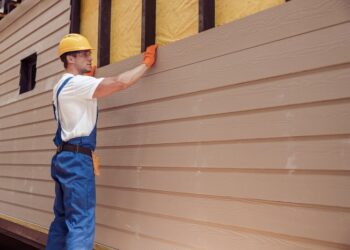
Siding installers Seattle play a vital role in transforming the exterior of homes, ensuring not just aesthetic appeal but also structural integrity. As homeowners seek to elevate the look and value of their properties, understanding the nuances of siding installation becomes paramount.
Let’s delve into the world of siding installers in Seattle, exploring the various materials, processes, and considerations that define this essential home improvement task.
From the importance of quality installation to the types of siding materials available, this comprehensive guide will equip you with the knowledge needed to make informed decisions for your home.
Importance of Siding Installation
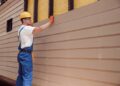
Proper siding installation is crucial for homes as it serves as the first line of defense against the elements, such as rain, wind, and snow. It helps to protect the structure of the house, prevent moisture damage, and maintain a comfortable indoor environment.
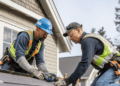
Benefits of Hiring Professional Siding Installers
- Expertise: Professional siding installers have the knowledge and experience to properly install siding materials, ensuring a high-quality finish.
- Time-saving: Hiring professionals can save you time and effort, as they can complete the installation efficiently and effectively.
- Quality workmanship: Professional installers can deliver a superior level of craftsmanship, leading to a durable and long-lasting siding installation.
Enhancing Curb Appeal and Value
Installing quality siding can significantly enhance a home’s curb appeal, making it more visually appealing and attractive. This can increase the overall value of the property, making it more appealing to potential buyers in the future.
Types of Siding Materials
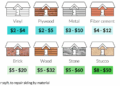
When it comes to choosing siding materials for homes in Seattle, there are several options available, each with its own set of pros and cons. It’s essential to consider factors such as durability, maintenance requirements, and aesthetic appeal when selecting the right siding material for your home.
Vinyl Siding
Vinyl siding is a popular choice among homeowners in Seattle due to its affordability and low maintenance requirements. It comes in a variety of colors and styles, making it a versatile option for different home designs. However, vinyl siding may not be as durable as other materials and can crack or fade over time.
Fiber Cement Siding
Fiber cement siding is known for its durability and resistance to rot, fire, and pests. It can mimic the look of wood or stucco without the high maintenance requirements. While fiber cement siding is more expensive than vinyl, it can last for decades with minimal upkeep.
Wood Siding
Wood siding offers a natural and timeless look that many homeowners appreciate. Cedar and redwood are popular choices for wood siding in Seattle due to their durability and resistance to moisture. However, wood siding requires regular maintenance, such as painting or staining, to prevent rot and decay.
Metal Siding
Metal siding, such as aluminum or steel, is a durable option that can withstand harsh weather conditions. It is resistant to fire, rot, and pests, making it a low-maintenance choice for homeowners. Metal siding can be more expensive upfront but is long-lasting and energy-efficient.
Examples of Homes in Seattle
In Seattle, you can find homes with a variety of siding materials to suit different architectural styles and preferences. From modern houses with sleek metal siding to traditional craftsman homes with classic wood siding, there is a wide range of options to choose from in the Seattle area.
Finding Reliable Siding Installers
When looking for siding installers in Seattle, it is crucial to consider several factors to ensure you hire a reputable and experienced company. Here are some tips to help you find reliable siding installers:
Factors to Consider
- Experience: Look for siding installers with a proven track record of successful projects. Check their portfolio and ask for references to gauge their experience.
- Reputation: Research online reviews and ask for recommendations from friends or family who have had siding installed recently. A good reputation is a strong indicator of quality work.
- Licenses and Insurance: Verify that the siding installation company is licensed and insured. This protects you in case of accidents or damages during the installation process.
- Warranties: Ensure that the siding installers offer warranties on their workmanship and the materials used. This provides you with peace of mind knowing that you are covered in case of any issues post-installation.
Siding Installation Process
Installing siding involves a series of steps that require precision and attention to detail to ensure a successful outcome. Let’s take a closer look at the typical siding installation process, the tools and equipment needed, common challenges, and the timeline for completing a standard siding installation project.
Typical Steps in Siding Installation
- Preparation of the work area by clearing debris and ensuring a clean surface for installation.
- Measuring and cutting the siding materials to fit the dimensions of the building.
- Securing the siding panels to the exterior of the structure using appropriate fasteners.
- Sealing joints and seams to prevent moisture infiltration and enhance the siding’s durability.
- Adding finishing touches, such as corner pieces and trim, to complete the installation.
Tools and Equipment for Siding Installation
- Hammer and nails or nail gun for fastening siding panels.
- Tape measure and chalk line for accurate measurements and straight lines.
- Circular saw or siding cutter for cutting siding materials to size.
- Caulk gun and sealant for sealing joints and seams.
- Ladder or scaffolding for accessing high areas of the building.
Common Challenges and Solutions
- Uneven surfaces or structural issues may require additional preparation before installation.
- Weather conditions like rain or extreme temperatures can impact the installation process and timeline.
- Matching existing siding or dealing with color discrepancies can be a challenge but can be addressed with proper planning and sourcing.
Timeline for Siding Installation
A standard siding installation project typically takes 1-2 weeks to complete, depending on the size of the building, the complexity of the design, and any unforeseen challenges that may arise during the process.
Last Recap
In conclusion, siding installation is a crucial aspect of home maintenance and enhancement, with professional siding installers in Seattle offering the expertise needed to achieve optimal results. By prioritizing quality materials, reliable contractors, and understanding the installation process, homeowners can elevate their property’s curb appeal and value significantly.
Take the first step towards a beautiful home exterior by leveraging the insights shared in this guide.
Q&A
What are the benefits of hiring professional siding installers?
Professional siding installers bring expertise, efficiency, and quality workmanship to the project, ensuring a durable and visually appealing result.
How do I verify the credibility of siding installation companies in Seattle?
Check for licenses, insurance, customer reviews, and ask for references to assess the reputation and reliability of the siding installation company.
What are the common challenges that may arise during the siding installation process?
Common challenges include weather delays, structural issues, and material availability. Experienced installers are equipped to handle these challenges effectively.