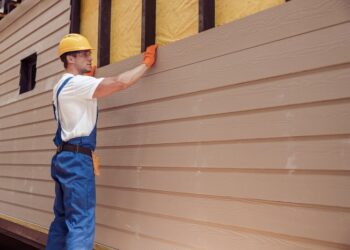
Exploring the world of siding repair, this article delves into the crucial aspects of maintaining your property’s exterior. From curb appeal to structural integrity, siding repair plays a vital role in preserving the beauty and strength of your home.
As we delve deeper into the realm of siding repair, you’ll uncover valuable insights and practical tips to keep your property looking its best.
Importance of Siding Repair
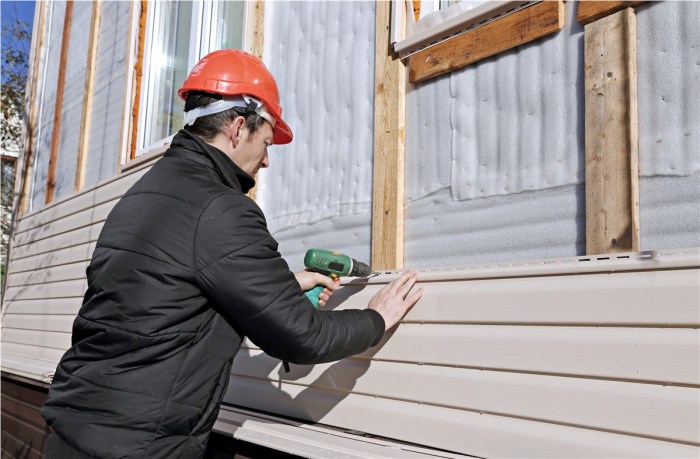
Maintaining a well-maintained siding is crucial for the overall appearance and structural integrity of a property. Siding repair plays a significant role in enhancing the curb appeal and protecting the building from environmental elements such as rain, snow, and UV rays.
Enhanced Curb Appeal
Siding repair can greatly improve the aesthetic appeal of a property. Cracks, peeling paint, or damaged siding can make a building look old and neglected. By repairing or replacing damaged siding, you can give your property a fresh and attractive look, increasing its value and making it more appealing to potential buyers or tenants.
Structural Integrity
Neglecting siding repair can have a detrimental impact on the structural integrity of a building. Damaged siding can allow moisture to seep into the walls, leading to mold growth, rot, and even structural damage over time. By addressing siding issues promptly, you can prevent costly repairs and ensure the longevity of your property.
Common Siding Repair Issues
When it comes to siding repair, there are several common issues that homeowners may encounter. Identifying these problems early on can help prevent further damage to your home.
1. Cracks and Holes
Cracks and holes in your siding are signs of wear and tear that can allow moisture to seep into your home, leading to water damage and mold growth.
2. Warping or Buckling
If you notice that your siding is warped or buckling, it could be a sign of underlying issues such as rot or pest infestations. Addressing this problem promptly can prevent further damage.
3. Fading or Discoloration
Fading or discoloration of your siding can not only affect the curb appeal of your home but also indicate sun damage or aging. Repairing or replacing the affected siding can refresh the look of your home.
4. Loose or Missing Pieces
Loose or missing pieces of siding can leave your home vulnerable to the elements, allowing water, pests, and debris to enter. It’s essential to replace or secure these pieces to maintain the integrity of your home.
5. Mold and Mildew Growth
Excessive moisture or poor ventilation can lead to mold and mildew growth on your siding. Not only is this unsightly, but it can also pose health risks. Addressing mold and mildew promptly is crucial for your family’s well-being.
Materials and Tools for Siding Repair
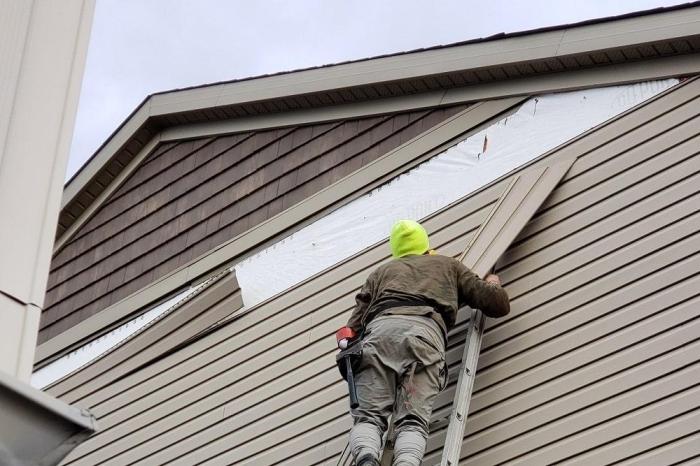
When it comes to repairing siding, having the right materials and tools is essential to ensure a successful outcome. Different types of siding may require specific materials and tools for repair. Understanding what you need can help you tackle the job effectively and efficiently.
Essential Materials for Siding Repair
- Vinyl Siding: Replacement panels, siding cleaner, caulk, paint (if needed)
- Wood Siding: Wood filler, primer, paint, replacement boards
- Fiber Cement Siding: Fiber cement patching compound, caulk, paint
- Aluminum Siding: Aluminum patching compound, paint, primer
Specialized Tools for Siding Repair
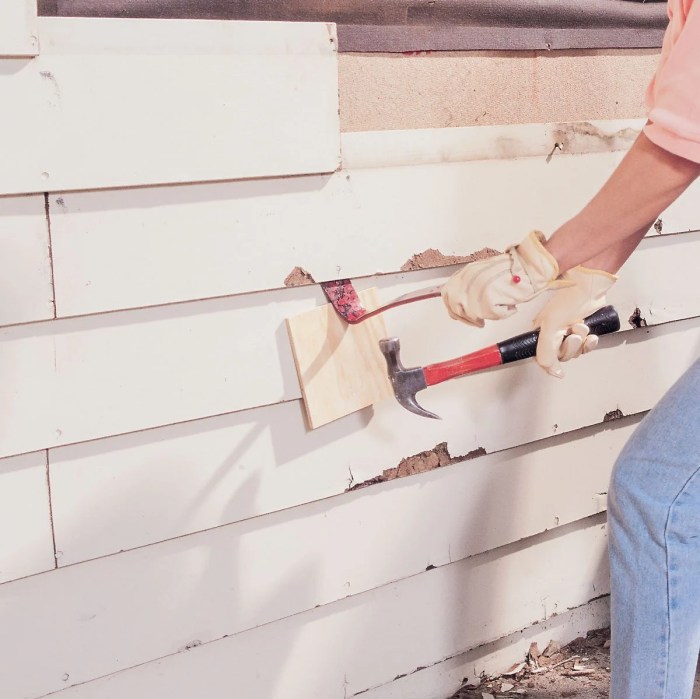
- Siding removal tool: Helps in safely removing damaged siding panels
- Caulk gun: For applying caulk to seal gaps and cracks
- Siding repair kit: Includes tools like zip tool, snap lock punch, and unlocking tool for specific types of siding
- Hammer, nails, and screws: Essential for securing new siding panels in place
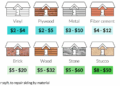
Comparison of Siding Repair Materials
| Material | Durability | Cost-effectiveness |
|---|---|---|
| Vinyl Siding | Durable, low maintenance | Cost-effective |
| Wood Siding | Natural look, can be prone to rot | Varies based on wood type |
| Fiber Cement Siding | Durable, resistant to rot and pests | Higher initial cost, lower maintenance |
| Aluminum Siding | Durable, lightweight | Moderate cost, good longevity |
DIY vs. Professional Siding Repair
When it comes to siding repair, homeowners often face the decision of whether to tackle the project themselves or hire a professional contractor. Each option has its pros and cons, so it’s essential to weigh them carefully before making a decision.
Advantages and Disadvantages of DIY Siding Repair
- Advantages:
- Cost-effective as you save on labor costs
- You have control over the project timeline
- Sense of accomplishment from completing the repair yourself
- Disadvantages:
- Lack of expertise may lead to mistakes or further damage
- Time-consuming, especially for beginners
- May not have access to specialized tools or equipment
When to Hire a Professional for Siding Repair
- Extensive Damage: If your siding has significant damage or requires a complete replacement, it’s best to hire a professional to ensure the job is done correctly.
- Safety Concerns: Working at heights or handling power tools can be dangerous for inexperienced individuals, so it’s safer to leave it to the experts.
- Time Constraints: If you have a busy schedule and cannot dedicate enough time to the repair project, hiring a professional can save you time and hassle.
Tips for Choosing the Right Contractor for Siding Repair Work
- Check Credentials: Ensure the contractor is licensed, insured, and has a good reputation in the industry.
- Get Multiple Quotes: Compare quotes from different contractors to find the best value for your money.
- Ask for References: Request references from past clients to gauge the quality of their work and professionalism.
- Written Contract: Always have a detailed written contract outlining the scope of work, timeline, and cost to avoid any misunderstandings.
Steps for Siding Repair
Repairing siding issues is a crucial part of maintaining the exterior of your home. By following these step-by-step instructions, you can ensure a successful repair project that will enhance both the appearance and functionality of your property.
Preparation Before Starting a Siding Repair Project
Before you begin repairing your siding, it is essential to prepare adequately. Here are the steps you should take before starting the repair project:
- Assess the damage: Carefully inspect the siding to identify the extent of the damage and determine the necessary repairs.
- Gather materials and tools: Make sure you have all the required materials and tools on hand before starting the repair project.
- Clean the area: Remove any dirt, debris, or mold from the damaged siding to ensure a clean surface for the repair.
- Protect surrounding areas: Cover nearby plants, windows, and doors to prevent them from getting damaged during the repair process.
Matching New Siding with Existing Materials During Repairs
When replacing or repairing siding, it is crucial to match the new materials with the existing ones to maintain a cohesive look. Here’s how you can ensure a seamless match:
- Identify the type of siding: Determine the type and color of the existing siding to find a suitable match.
- Take a sample: Cut a small piece of the existing siding to take with you when purchasing new materials for an accurate match.
- Consult a professional: If you are unsure about matching the siding, seek advice from a professional to ensure a perfect match.
- Blend the new siding: Install the new siding in a way that seamlessly blends with the existing materials to maintain the aesthetic appeal of your home.
Final Thoughts
In conclusion, siding repair is not just about aesthetics; it’s about safeguarding your investment and ensuring your property remains structurally sound. By addressing common issues, choosing the right materials, and knowing when to seek professional help, you can maintain a beautiful and resilient home for years to come.
User Queries
What are the signs of siding damage?
Signs of siding damage include cracks, warping, discoloration, and mold growth.
Can I repair siding on my own?
While some minor repairs can be done DIY, it’s best to consult a professional for extensive damage or complex issues.
What materials are best for siding repair?
Materials like vinyl, wood, and fiber cement are popular choices for siding repair due to their durability and cost-effectiveness.