Siding replacement is a crucial aspect of home maintenance that often goes unnoticed. From choosing the right materials to understanding the process, this guide delves into the intricate details of siding replacement with a mix of informative content and practical tips.
As we navigate through the various types of siding materials, preparation steps, and cost considerations, readers will gain a comprehensive understanding of this essential home improvement project.
Introduction to Siding Replacement
Siding replacement is the process of removing and installing new siding materials on the exterior of a building. This is done to improve the appearance, functionality, and protection of the structure.
It is important to maintain and replace siding regularly to prevent water damage, mold growth, and other issues that can compromise the integrity of the building. By replacing worn-out or damaged siding, you can enhance the curb appeal of your property and increase its value.
Signs that indicate siding replacement is needed
- Cracks or holes in the siding
- Warped or buckling siding panels
- Mold or mildew growth on the siding
- Fading or peeling paint on the siding
- Increase in energy bills due to poor insulation
Types of Siding Materials
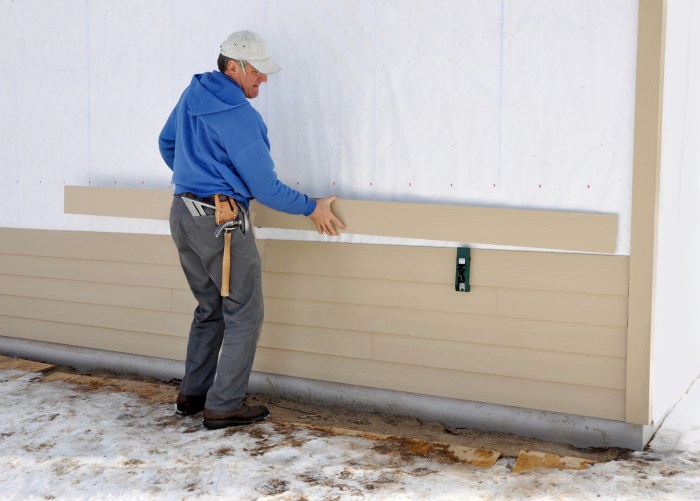
When it comes to siding replacement, there are several types of materials to choose from. Each material has its own set of characteristics in terms of durability, cost, and aesthetic appeal. Let’s explore some of the common siding materials available in the market.
Vinyl Siding
Vinyl siding is a popular choice for many homeowners due to its affordability and low maintenance requirements. It comes in a variety of colors and styles, making it versatile for different home designs. While vinyl siding is durable and resistant to rot and insects, it may not be as impact-resistant as other materials.
Fiber Cement Siding
Fiber cement siding is known for its durability and resistance to fire, rot, and insects. It can mimic the look of wood or stucco without the high maintenance associated with those materials. However, fiber cement siding can be more expensive than vinyl and may require professional installation.
Wood Siding
Wood siding offers a natural and timeless look to homes. It can be painted or stained in various colors to suit different architectural styles. While wood siding is aesthetically pleasing, it requires regular maintenance to prevent rot, mold, and insect infestations.
It is also more susceptible to fire compared to other siding materials.
Brick Siding
Brick siding is known for its durability and classic appeal. It requires little maintenance and is resistant to fire, rot, and insects. However, brick siding can be costly to install and may require additional structural support due to its weight.
Stone Siding
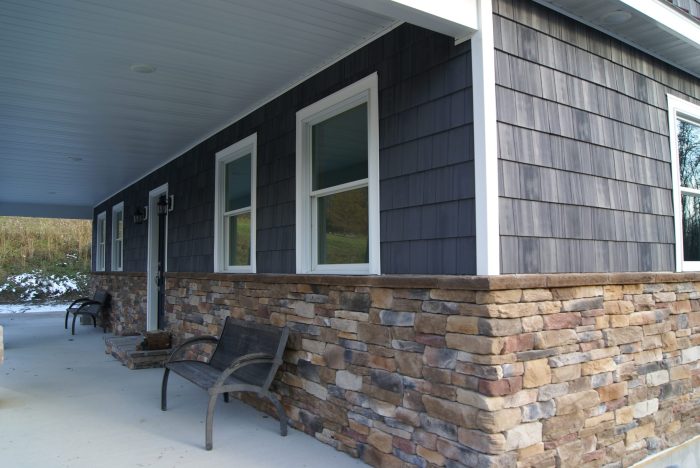
Stone siding provides a luxurious and elegant look to homes. It is highly durable and resistant to fire and insects. Stone siding is available in various types such as natural stone, cultured stone, and faux stone. While stone siding is aesthetically pleasing, it can be one of the most expensive siding materials.These are just a few examples of the siding materials available for replacement.
Each material has its own advantages and considerations to take into account when making a decision for your home.
Preparation for Siding Replacement
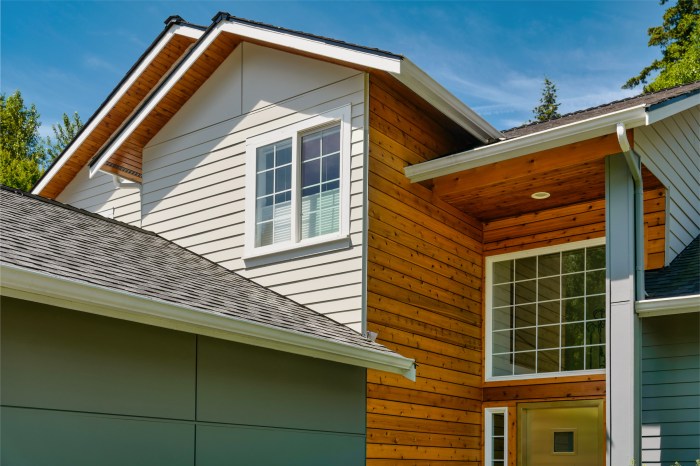
When preparing for a siding replacement project, homeowners need to take certain steps to ensure a smooth and successful process. It is crucial to assess the condition of the existing siding and choose the right contractor for the job.
Assessing the Condition of Existing Siding
- Inspect the current siding for any signs of damage, rot, or mold growth.
- Check for gaps, cracks, or warping that may indicate water infiltration.
- Determine if the siding is outdated or no longer providing adequate insulation.
- Consider the overall aesthetic condition of the siding and whether it complements the home’s exterior.
Choosing the Right Siding Contractor
- Research and gather recommendations for reputable siding contractors in your area.
- Check their credentials, certifications, and experience in handling siding replacement projects.
- Request quotes from multiple contractors and compare their pricing, timelines, and warranties.
- Read reviews and testimonials from previous clients to gauge the quality of their work and customer satisfaction.
Siding Replacement Process
When it comes to replacing siding on a residential property, there are specific steps that need to be followed to ensure a safe and efficient process. This includes removing the old siding carefully and installing the new siding properly. Let’s delve into the details of the siding replacement process.
Removing Old Siding
To remove old siding safely and efficiently, follow these steps:
- Start by inspecting the existing siding for any damage or rot that needs to be repaired before removal.
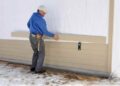
- Use a pry bar and hammer to carefully remove the siding panels, starting from the top and working your way down.
- Dispose of the old siding responsibly, considering recycling options if possible.
- Inspect the underlying structure for any damage or mold that may need to be addressed before installing the new siding.
Installation Techniques for Different Siding Materials
Different types of siding materials require specific installation techniques. Here are some common examples:
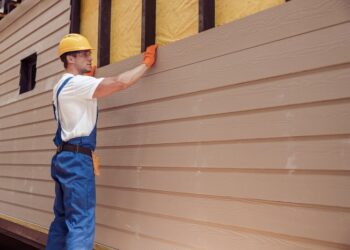
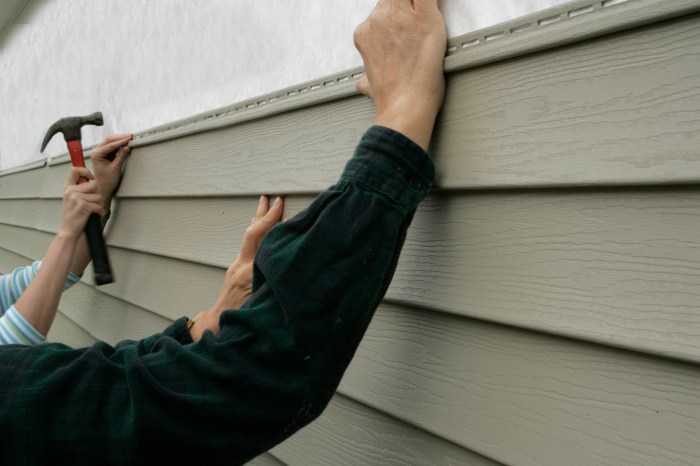
- Vinyl Siding:Vinyl siding is typically installed by snapping the panels into place, starting from one end and working across. Properly securing the panels and ensuring they overlap correctly is crucial for a weatherproof finish.
- Fiber Cement Siding:Fiber cement siding is heavier and requires careful handling during installation. Cutting the panels to size and using the correct fasteners are essential for a durable and long-lasting finish.
- Wood Siding:Wood siding should be installed with proper spacing to allow for expansion and contraction. Treating the wood with a protective finish before installation can help prolong its lifespan.
- Composite Siding:Composite siding combines various materials for a durable and low-maintenance option. Following the manufacturer’s guidelines for installation is key to ensuring a successful outcome.
Cost Factors and Budgeting
When it comes to a siding replacement project, understanding the key cost factors involved and budgeting accordingly is crucial to ensure a successful and cost-effective outcome.
Key Cost Factors
- The size of your home: The larger the surface area that needs new siding, the higher the cost.
- Choice of siding material: Different siding materials come at varying price points, with options ranging from vinyl and wood to fiber cement and metal.
- Professional labor: Hiring experienced contractors for installation will incur labor costs.
- Additional features: Factors like trim work, insulation, and removal of old siding can add to the overall cost.
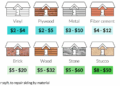
Breakdown of Average Costs
| Siding Material | Average Cost per Square Foot |
|---|---|
| Vinyl | $3-$7 |
| Wood | $5-$10 |
| Fiber Cement | $5-$12 |
| Metal | $7-$15 |
It’s important to get quotes from multiple contractors and compare prices to ensure you’re getting a fair deal.
Tips on Budgeting
- Set a realistic budget: Consider all cost factors and set a budget that you can comfortably afford.
- Plan ahead: Research different siding materials and labor costs to have a clear idea of the overall expenses.
- Explore financing options: Look into financing plans or loans to help spread out the cost of the project.
- DIY where possible: If you have the skills, consider tackling some tasks yourself to save on labor costs.
- Seek discounts and deals: Keep an eye out for promotions or discounts on materials and labor services to save money.
Ultimate Conclusion
In conclusion, siding replacement is not just about enhancing the curb appeal of your home but also ensuring its structural integrity. By following the guidelines Artikeld in this discussion, you can embark on your siding replacement journey with confidence and clarity.
Questions and Answers
What are the signs that indicate the need for siding replacement?
Common signs include cracks, warping, rotting, and high energy bills due to poor insulation.
How can homeowners prepare for a siding replacement project?
Homeowners should assess the condition of the existing siding, choose the right materials, and select a reputable contractor.
What are the key cost factors involved in siding replacement?
Factors include the size of the project, choice of materials, labor costs, and any additional repairs needed.
How can homeowners save money on a siding replacement project?
Comparing quotes from multiple contractors, opting for mid-range materials, and scheduling the project during off-peak seasons can help save money.