Delving into vinyl house exterior, this introduction immerses readers in a unique and compelling narrative. From defining vinyl house exteriors to discussing their benefits and popularity, this guide offers valuable insights for homeowners and enthusiasts alike.
Types of vinyl siding, installation processes, maintenance tips, and cost considerations are all covered in detail, providing a holistic view of this versatile material for house exteriors.
Introduction to Vinyl House Exterior
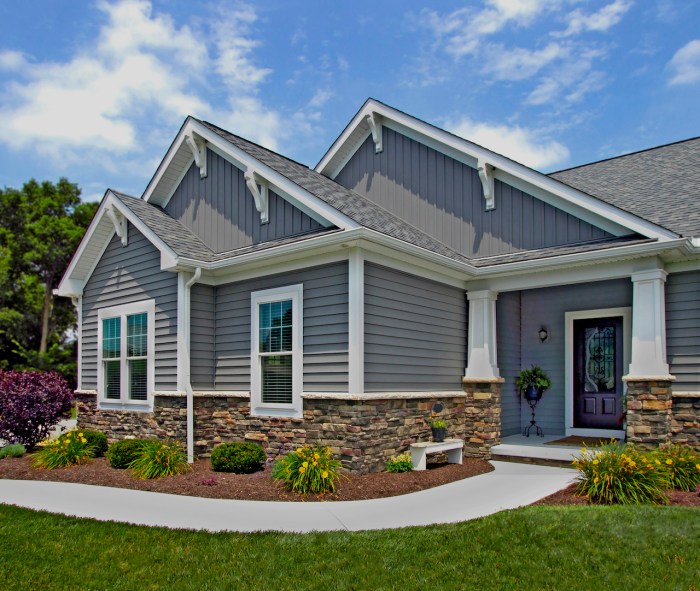
Vinyl house exterior refers to the use of vinyl siding as a material for covering the outer walls of a house. Vinyl siding is a type of plastic exterior siding for houses and small apartment buildings, used for decoration and weatherproofing, imitating wood clapboard, board and batten or shakes, and used instead of other materials such as aluminum or fiber cement siding.
Benefits of Using Vinyl for House Exteriors
- Low Maintenance: Vinyl siding is easy to clean and requires minimal maintenance compared to other materials like wood.
- Durability: Vinyl is resistant to rot, rust, and pests, making it a long-lasting option for house exteriors.
- Affordability: Vinyl siding is cost-effective and provides good value for money in terms of durability and aesthetics.
- Versatility: Vinyl siding comes in a variety of colors and styles, allowing homeowners to customize the look of their homes.
Popularity and Versatility of Vinyl Siding
Vinyl siding has gained popularity in the housing industry due to its affordability, durability, and ease of installation. It is widely used in new construction and renovations, offering homeowners a practical and attractive option for their house exteriors. Additionally, vinyl siding can mimic the appearance of other materials such as wood, brick, or stone, providing versatility in design choices.
Types of Vinyl Siding
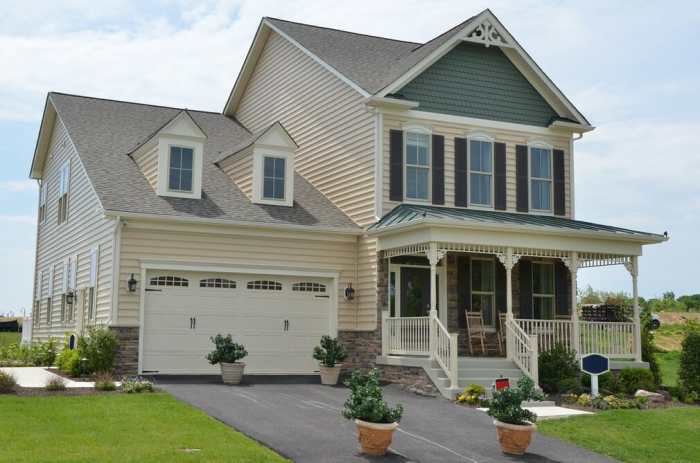
When it comes to vinyl siding for house exteriors, there are several different types available, each offering unique features and styles to enhance the overall look of a home.
Insulated Vinyl Siding
Insulated vinyl siding is designed with a layer of foam insulation attached to the back of the panels. This type of siding helps improve energy efficiency by reducing heat loss and increasing the home’s insulation value.
Traditional Vinyl Siding
Traditional vinyl siding is the most common type and comes in various colors and textures. It is lightweight, easy to install, and requires minimal maintenance, making it a popular choice among homeowners.
Dutch Lap Vinyl Siding
Dutch lap vinyl siding features a beveled edge on each panel, creating a shadow line that adds dimension and visual interest to the exterior of a house. This style is reminiscent of rustic, wooden clapboard siding and can give a home a classic look.
Installation of Vinyl Siding
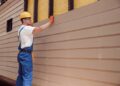
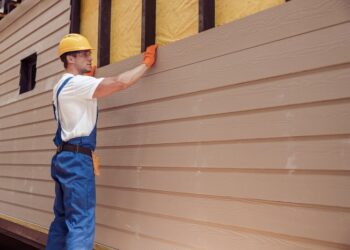
When it comes to installing vinyl siding on a house exterior, there are several key steps that need to be followed to ensure a successful and durable installation. Proper installation is crucial not only for the aesthetic appeal of the house but also for its longevity and weather resistance.
Steps for Installing Vinyl Siding
- Prepare the surface: Ensure the exterior walls are clean, smooth, and free of any debris before starting the installation.
- Measure and cut the siding: Accurately measure the dimensions of the walls and cut the vinyl siding panels accordingly to fit perfectly.
- Install the starter strip: Begin at the bottom of the wall with a starter strip to provide a secure base for the siding panels.
- Hang the siding panels: Start from one end of the wall and work your way horizontally, interlocking each panel securely with the one next to it.
- Secure the siding: Use nails or screws to fasten the siding panels to the wall, making sure to leave a small gap for expansion and contraction.
- Finish the edges and corners: Use trim pieces to finish the edges and corners for a clean and polished look.
Tips for Proper Installation
- Follow manufacturer instructions: Always refer to the manufacturer’s guidelines for specific installation instructions and best practices.
- Use the right tools: Make sure you have the necessary tools for the job, including a level, saw, hammer, and measuring tape.
- Allow for expansion: Vinyl siding can expand and contract with temperature changes, so leave a small gap between panels to prevent buckling.
- Check for proper ventilation: Ensure there is adequate ventilation behind the siding to prevent moisture buildup and mold growth.
Common Challenges and How to Overcome Them
- Uneven walls: If the walls are not perfectly straight, use furring strips to create a level surface for the siding.
- Warped panels: If you encounter warped panels, lay them in the sun to soften and straighten before installation.
- Incorrect fastening: Make sure to use the correct nails or screws and follow the recommended spacing for secure attachment.
Maintenance and Care of Vinyl House Exterior
Proper maintenance is essential to ensure the longevity and pristine condition of your vinyl house exterior. By following a regular maintenance schedule and addressing common issues promptly, you can keep your vinyl siding looking its best for years to come.
Maintenance Schedule for Vinyl Siding
- Inspect vinyl siding annually for any signs of damage, including cracks, warping, or loose panels.
- Clean vinyl siding at least once a year to remove dirt, grime, and mold buildup.
- Trim any vegetation near the siding to prevent damage and maintain proper airflow.
- Check for any signs of fading, mold, or mildew and address them promptly.
Effective Cleaning of Vinyl Siding
To clean vinyl siding effectively without causing damage, use a mixture of mild detergent and water. Avoid using harsh chemicals or abrasive tools that can scratch the surface. Use a soft-bristled brush or a cloth to gently scrub the siding, working from bottom to top to prevent streaking.
Tips for Addressing Common Issues
-
For fading:
Consider using a vinyl siding restoration product to revive the color. Alternatively, consider repainting the siding with a suitable vinyl-safe paint.
-
For mold and mildew:
Mix equal parts of vinegar and water to create a natural cleaning solution. Apply the mixture to the affected areas and scrub gently with a brush. Rinse with water thoroughly.
-
For maintenance:
Regularly inspect the siding for any signs of damage and address them promptly to prevent further issues.
Cost and Durability of Vinyl Siding
Vinyl siding is a popular choice for house exteriors due to its cost-effectiveness and durability. Let’s delve into the factors that influence the cost of installing vinyl siding and explore its durability compared to other materials.
Cost Factors of Installing Vinyl Siding
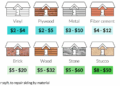
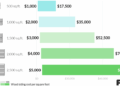
When considering the cost of installing vinyl siding, several factors come into play. These include the size of the house, the quality of the vinyl siding chosen, additional features like insulation or trim, labor costs, and any necessary preparation work such as removing old siding.
While the initial cost of vinyl siding installation may vary, it is generally more affordable compared to materials like wood or fiber cement.
Durability of Vinyl Siding
Vinyl siding is known for its durability and resistance to harsh weather conditions. Unlike wood, vinyl siding does not rot, warp, or attract pests. It is also resistant to moisture, making it a long-lasting choice for house exteriors. When properly installed and maintained, vinyl siding can retain its aesthetic appeal for many years, requiring minimal upkeep compared to other materials.
Long-Term Cost Savings
Choosing vinyl siding for your house exterior can lead to long-term cost savings. Due to its durability and low maintenance requirements, homeowners can avoid frequent repairs and replacements that may be necessary with other materials. Additionally, the energy-efficient properties of certain vinyl siding options can help reduce heating and cooling costs over time, adding to the overall cost-effectiveness of this material choice.
Last Recap
In conclusion, vinyl house exteriors offer a durable, cost-effective, and visually appealing option for homeowners. By understanding the types, installation, maintenance, and costs associated with vinyl siding, individuals can make informed decisions when enhancing their home’s exterior.
Questions Often Asked
What are the benefits of using vinyl for house exteriors?
Vinyl siding is low maintenance, durable, cost-effective, and comes in a variety of colors and styles to suit different preferences.
How do you clean vinyl siding effectively without causing damage?
Mix a solution of water and mild soap, use a soft brush or cloth to scrub the siding gently, and rinse thoroughly with a hose.
What are the common challenges faced during the installation of vinyl siding?
Common challenges include ensuring proper alignment, cutting the siding accurately, and dealing with obstacles like windows and doors.
How does the durability of vinyl siding compare to other materials like wood or fiber cement?
Vinyl siding is known for its durability as it does not rot, warp, or corrode like wood, and requires minimal maintenance compared to fiber cement.
What long-term cost savings can be expected by choosing vinyl siding for a house exterior?
Choosing vinyl siding can lead to savings in terms of maintenance costs, painting expenses, and potential energy efficiency benefits over time.